
2022
Type of resources
Available actions
Topics
Keywords
Contact for the resource
Provided by
Years
Formats
Representation types
-
None
-
Platform for interdisciplinary ecosystem research - with connection to several sub-sites
-
None
-
None
-
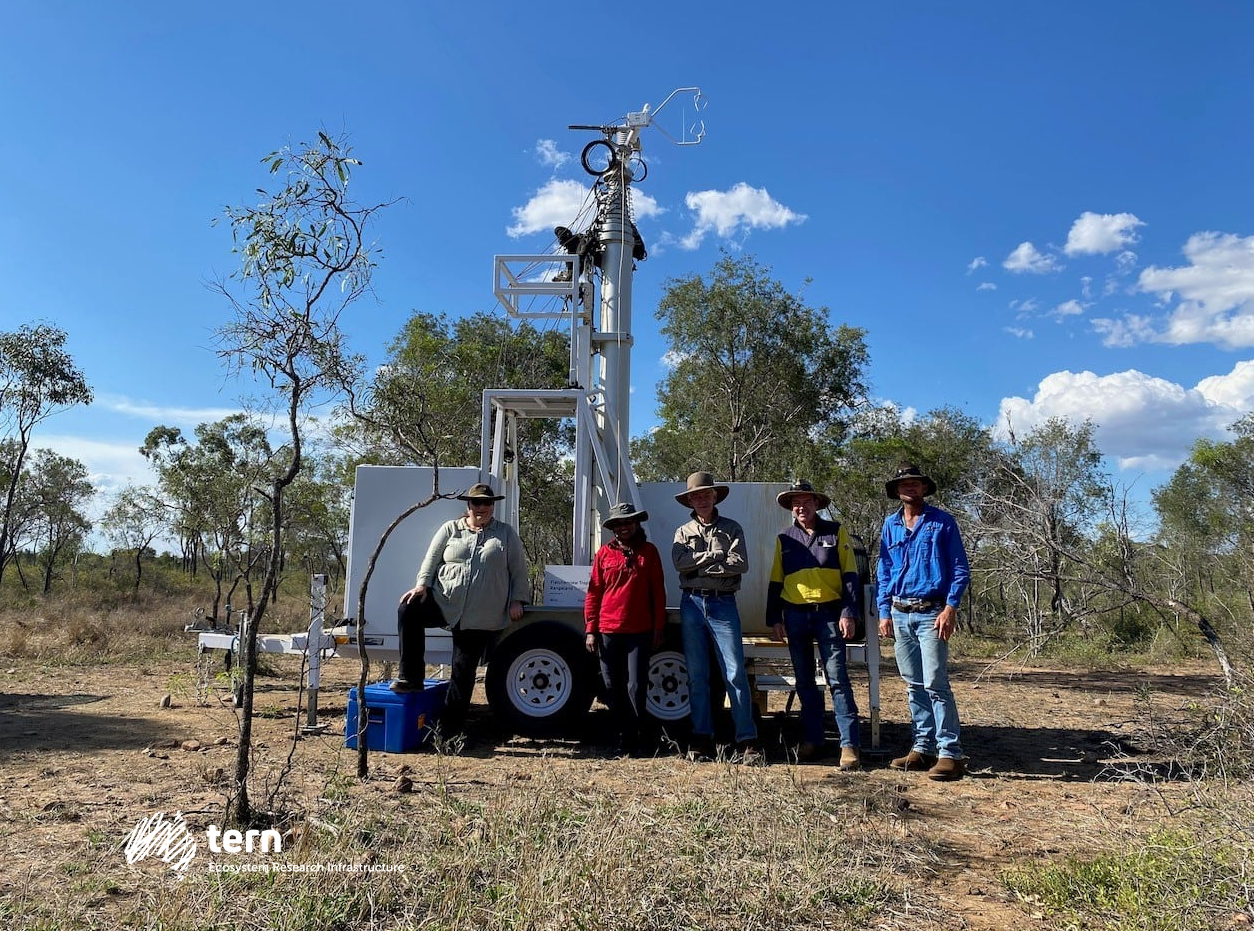
Fletcherview Tropical Rangeland SuperSite was established in 2021 at James Cook University’s Fletcherview Research Station, a fully operational outback cattle station located 50 km west of Townsville, Queensland. The site is used for cattle grazing and is characterised by tall open savanna. The area around this SuperSite is used for cattle grazing. Black and red basalt soils and alluvial river flats support a wide variety of flora and fauna across open savanna woodland, dry rainforest, lava flows, three creek systems and the Burdekin River. The vegetation is dominated by native grasses such as blackspear and kangaroo grasses, as well as introduced species like buffel grass, signal grass and leucaena. Fletcherview typically experiences a dry and wet season, with most rainfall occurring between January and April. This site sits on Gugu-Badhun land.
-
None
-
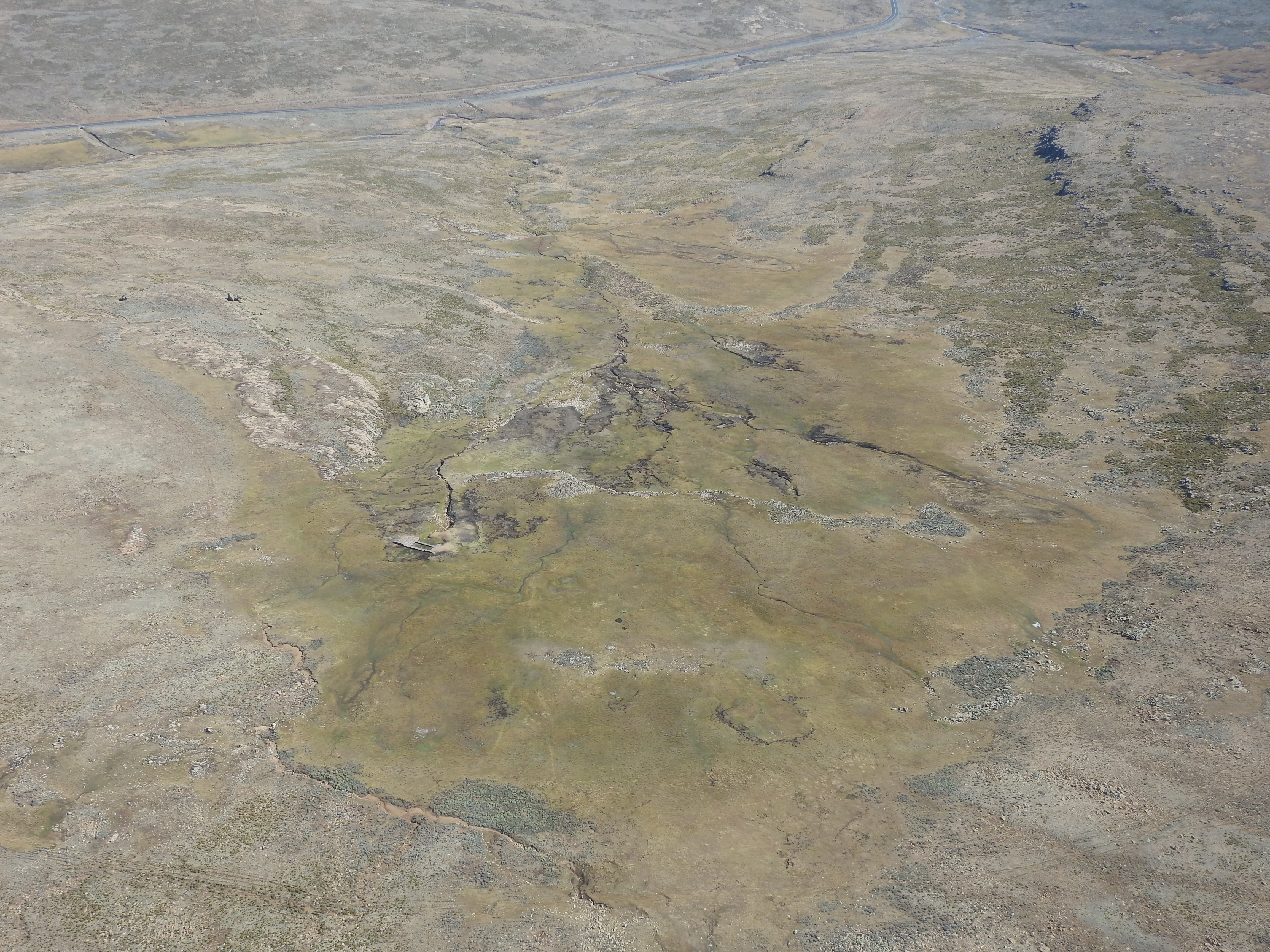
The area is considered especially important from a wetland perspective because rivers such as the Tugela, Vemvane, Khubelu, Motete, Matseng and Malibamatso all have their origins in these alpine wetland systems. Notable mammals that inhabit these wetlands are domesticated sheep and horses, as well as ice rats. Within and close to the area of the MaS-LTSER are the Tšehlanyane National Park, Lucapa Diamond Mine, Letseng Diamond Mine, Matsoku Mine, Kao Mine, and Liqhobong Mine. Some of the alpine wetlands in the area are experiencing degradation, and there are some that can be considered severely degraded. Wetland degradation in this alpine region can lead to loss of ecosystem services as well as livelihood of the locals.
-
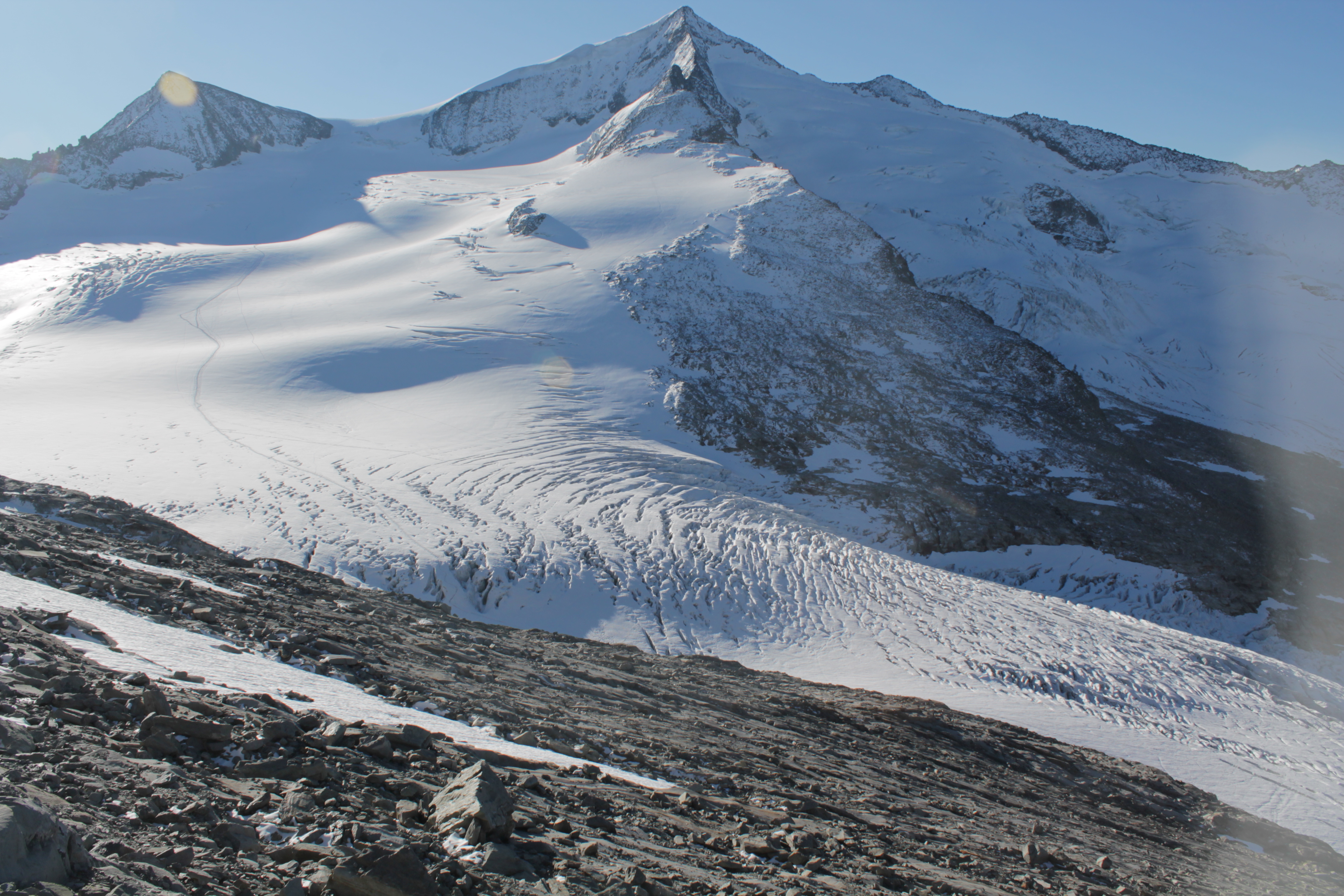
The Venedigerkees in the Hohe Tauern National Park is the easternmost tributary glacier to the former tongue of Obersulzbachkees. As a result of the strong retreat of Obersulzbachkees, the glacier disintegrated into several tributary glaciers, with a large lake remaining at the location of a famous serac zone, the 'Türkische Zeltstadt'. Mass balance of the Venedigerkees is measured since 2011/12 with the direct or glaciological method. Furthermore, an automatic weather station was built between Venedigerkees and Keeskogel in 2018.
-
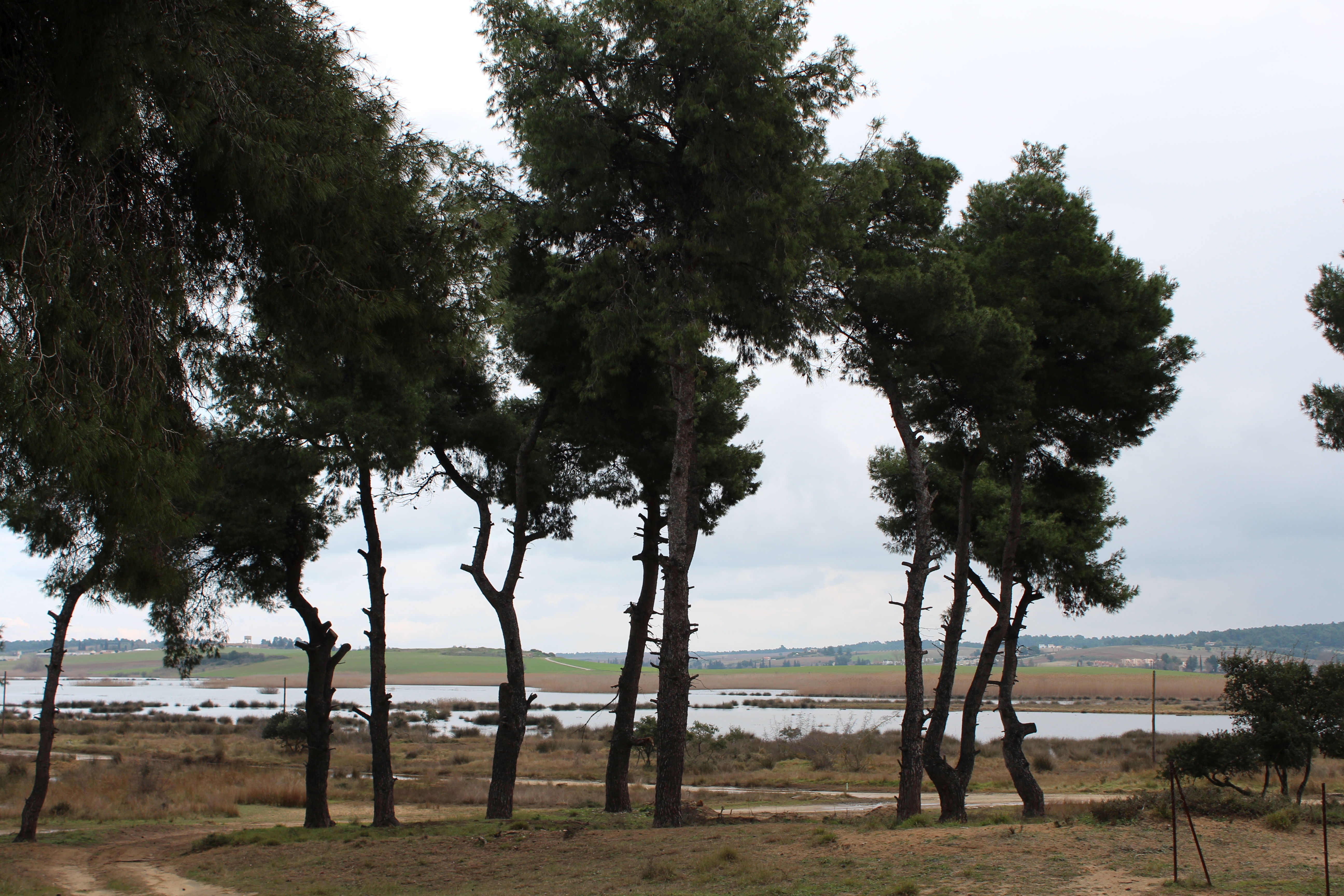
The Sani Environmental Observatory (S.E.O.) is located within a mature, near-coastal Aleppo pine (Pinus halepensis L.) ecosystem at the peninsula of Kassandra, in Chalkidiki, Greece. It is part of the Stavronikita forest, which comprises approximately 300 ha of land covered mainly by forests and to a lesser extend by shrubs and pastures. The Observatory aims primarily at the assessment of the carbon and water balance of this typical low-elevation forest ecosystem to the ongoing climatic shift. Such ecosystems may be prone to the intensified heat and drought events, as well as to the associated insects’ and pathogens’ outbreaks, which are increasingly occurring at the Mediterranean region and particularly at its eastern part. Although Aleppo pines, as well as other Mediterranean pines, are generally adapted to the region’s xerothermic conditions, the in-depth understanding of their ecophysiological and growth responses will allow us to predict the potential of such ecosystems to adapt to climate change. SEO also serves to assess the carbon stocks and fluxes and the contribution of these natural, old-growth ecosystems to carbon sequestration and, thus, to climate change mitigation. S.E.O. is developed by the Forest Research Institute (Lab of Forest Ecophysiology) of the Hellenic Agricultural Organization Dimitra with the support of Sani Resort SA, the owner of the studied forest ecosystem, presenting a nice example of collaboration between the research community and the private sector. Given that SEO is located at a region of high touristic and aesthetic value, close to a wetland and the sea, the Observatory also plans actions to familiarize people with environmental monitoring and the multiple functions and services of the studied Mediterranean ecosystem.
-
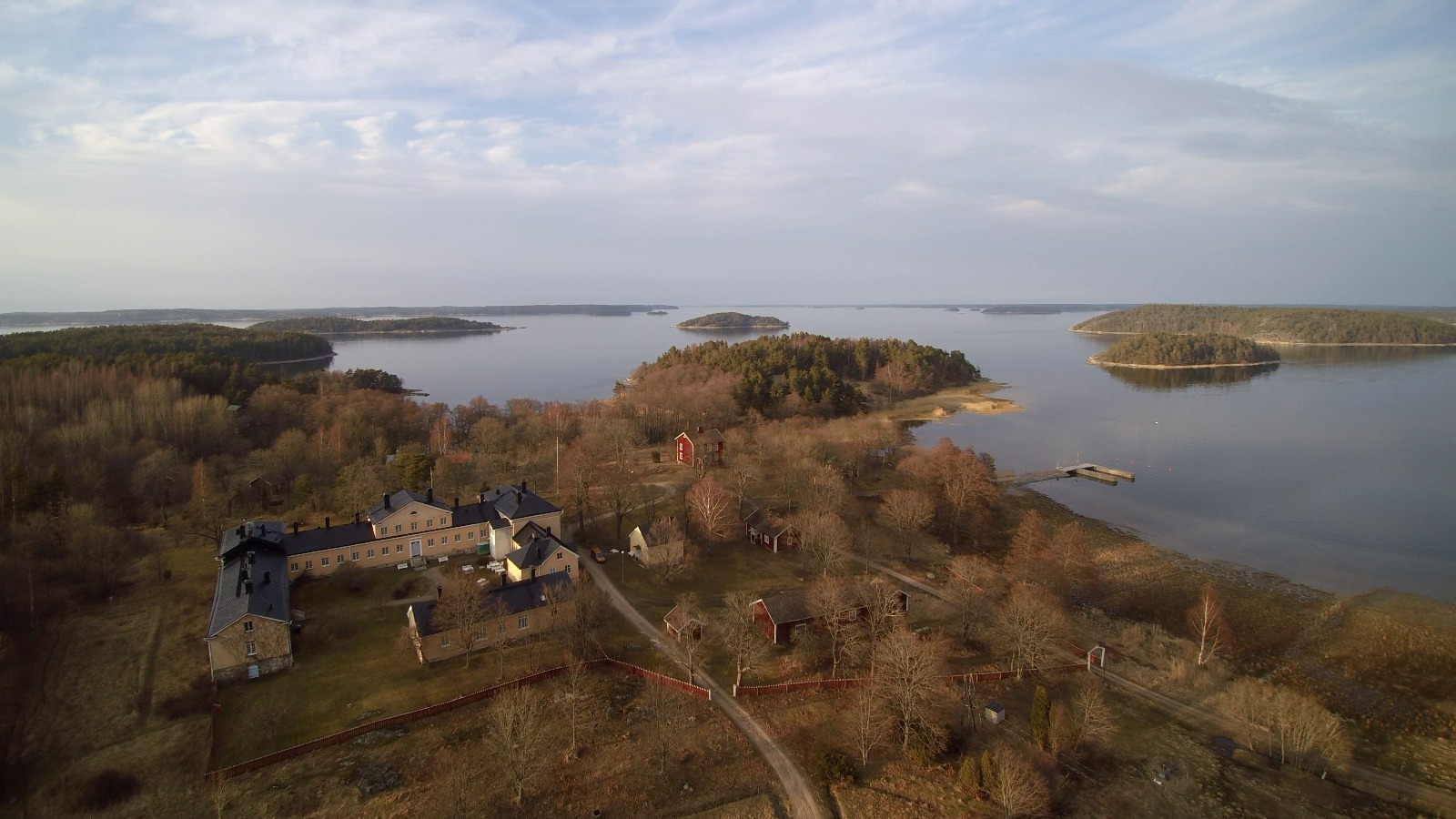
The Archipelago Research Institute is a historical marine station at the island of Seili, located in the middle of the Turku archipelago. The Institute offers various research support services as well as participates in multidisciplinary research of the Baltic Sea, with a special focus on the condition of the Archipelago Sea. The station is open for researchers and visitors year-round.