
plant development stage
Type of resources
Available actions
Topics
Keywords
Contact for the resource
Provided by
Years
Formats
Representation types
-
Modeled with Mohid
-
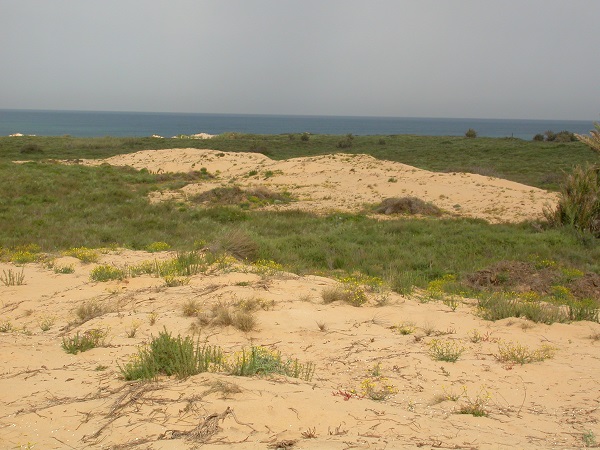
Coastal sand dune
-
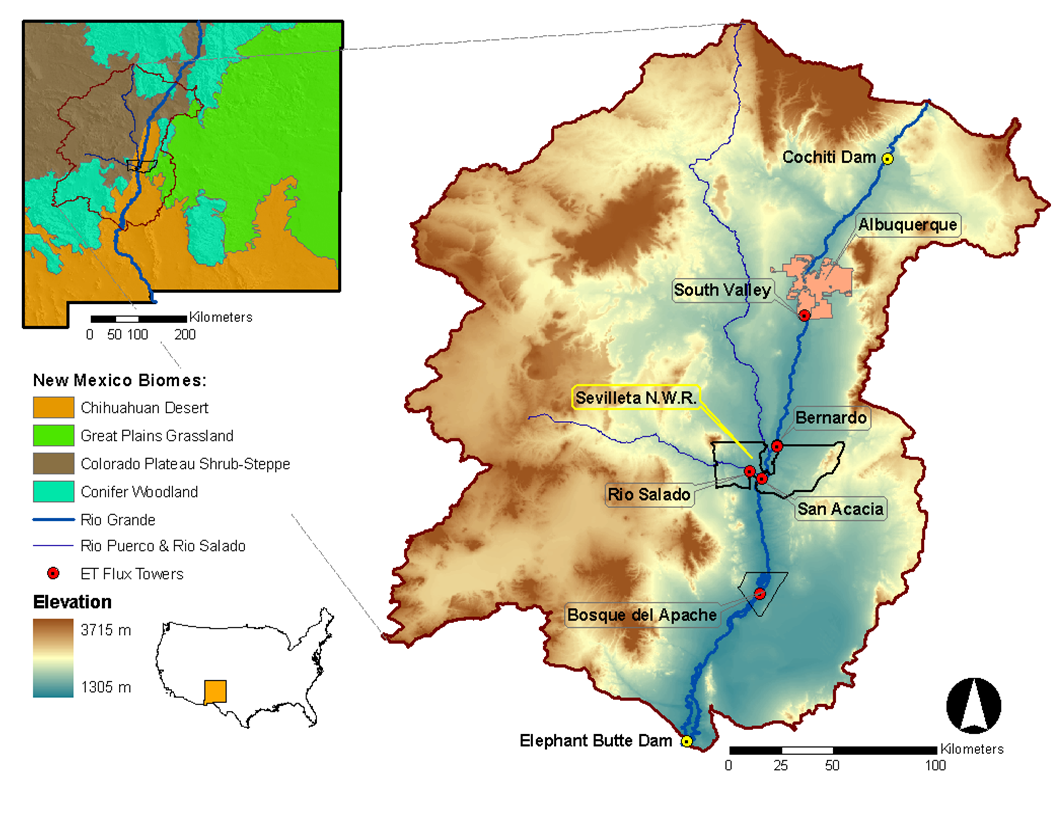
Desert grassland, shrubland, woodland, forest and riparian habitats in central New Mexico, USA
-
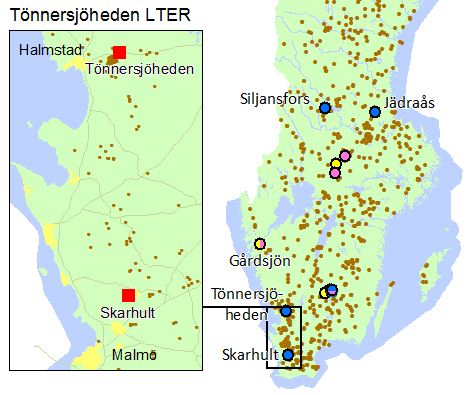
Tönnersjöheden and Skarhult experimental forests are situated in the nemoral/nemo-boreal zone closed to the Atlantic sea in South Sweden. Tönnersjöheden (1143 ha) was established as an experimental forest in 1923 with the original aim of studying ecosystems in transition from low productive broad-leaved forests and open Calluna heath-lands to conifer dominated forests. Skarhult (180 ha) was opened as an experimental forest in 1989 with a main focus on management and ecology of broad-leaved forest stands. Forests at Tönnersjöheden are dominated by old growth broad-leaved stands with long continuity, first and second rotations of planted coniferous stands and a number of planted stands with exotic tree species. Forests at Skarhult are dominated by naturally regenerated and planted pure and mixed broad-leaved forest stands of European beech (Fagus sylvatica L.), common oak (Quercus robur L.) and ash (Fraxinus excelsior L.). Research and monitoring activities cover a broad range of basic and applied subjects in the field of forest and forest related environmental sciences. The experimental forests are well-documented and well-described concerning history, climate, soils, vegetation and forest stands.
-
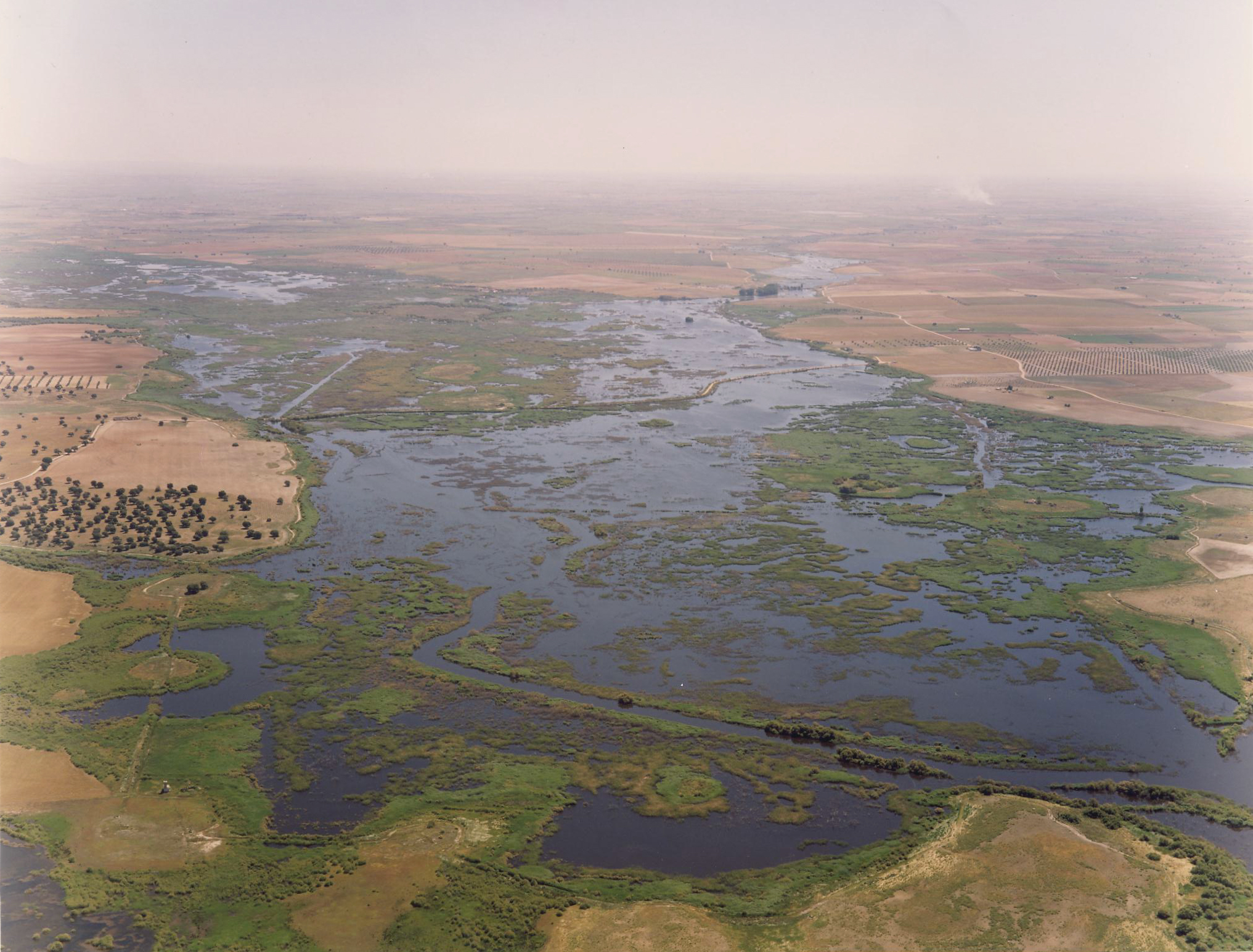
Las Tablas de Daimiel National Park (TDNP) is a floodplain wetland located at Central Spain in the core of La Mancha Húmeda Biosphere Reserve. Until the 1970s, wetland inundation was due to natural flooding of both the Gigüela and the Guadiana Rivers, and to the aquifer discharge (Llanura Manchega Occidental aquifer) as the groundwater table was close to the surface. Historically, the wetland´s inundation was also promoted by small water-mill dams which helped to increase the water-level. TDNP is the typical example of wetland degradation in the Mediterranean Europe, including dessication, agriculture conversion, groundwater overexplotitation and water quality impairing. Most importantly, aquifer overexploitation resulting from excessive agricultural irrigation strongly changed the ecosystem hydrology from a semi-permanent wetland to a highly fluctuating ecosystem with long periods (several years) of almost complete dryness. From the 1870s until the 1950s, the area was a private hunting park. It then became a National Hunting Reserve and later, in 1973, a National Park. It was included in the Ramsar convention in 1982. Its main environmental values are the large waterfowl populations, the European cut-sedge and the reed, and the plasticity of the ecosystem to absorb different threats.
-
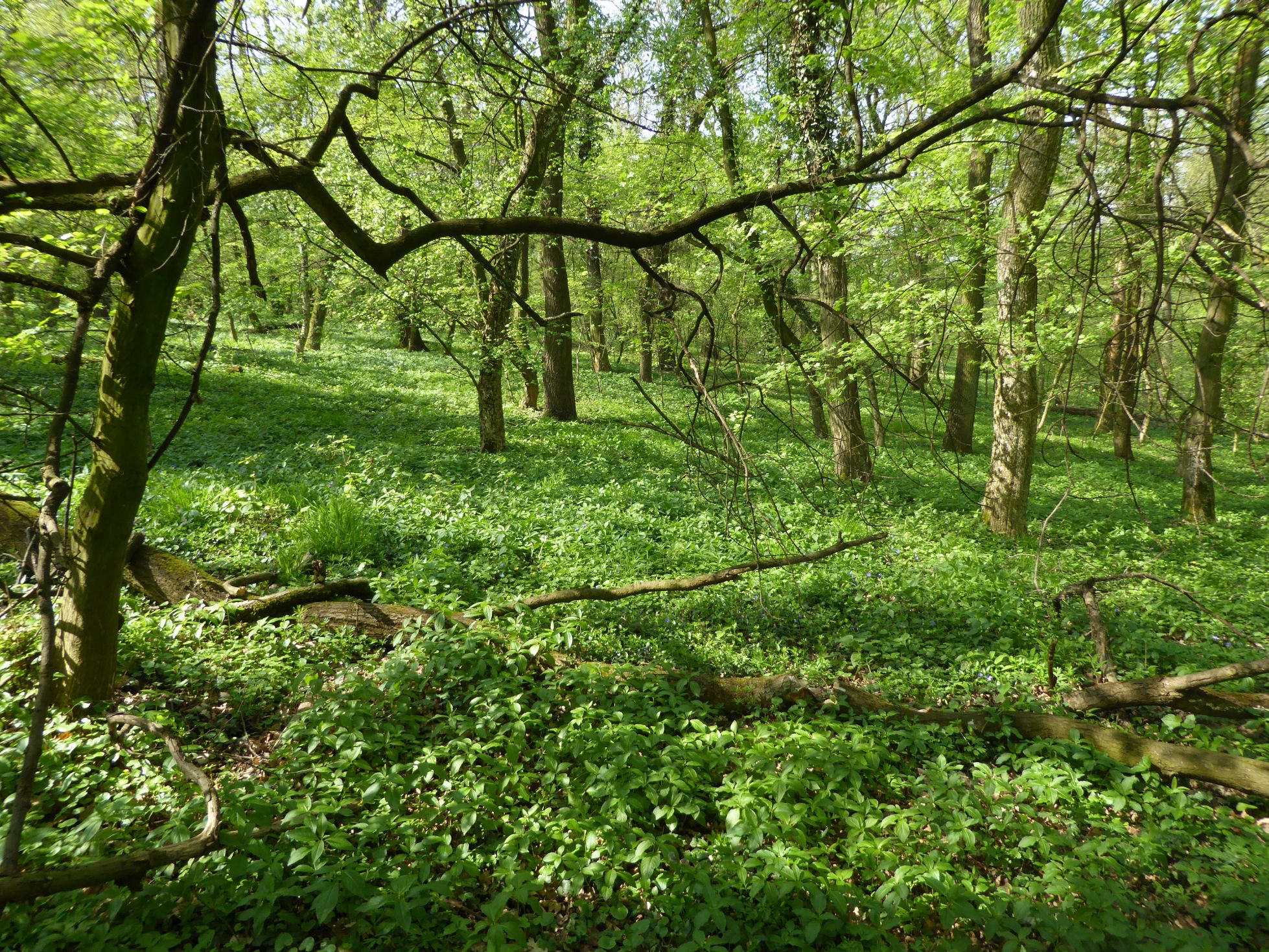
The Bab forest (66 ha) was selected as an example of a lowland deciduous broad-leaved forest on loess for ecosystem research in the International Biological programme (IBP) in 1967. More than 60 researchers performed a comprehensive ecosystem research at the site within IBP and MaB programmes in 1967-1975. This period finished by production of syntheses in micro-meteorology and micro-climate, soils, soil microbiology, ecophysiological processes of plants (photosynthesis, water relations, mineral nutrition), primary productivity, nutrient cycles, water circulation, and secondary productivity. The ecosphisiological studies continued in 1975-1980, later the research was focused to plant population biology and alien plants invasions. The ecosystem research was re-established in 2007. The inventory of shrub and trees, herb vegetation, selected animal groups allowed identification of changes during 40 years caused probably by the climate changes and anthropogenic disturbances. The differences in decomposition of selected native and invasive plant species were assessed. The biomonitoring of the air pollution was done using mosses as indicator organisms. Now the research is focused to dynamics of forest ecosystem (vegetation, selected invertebrate groups, small mammals) and impact of forestry management (clear-cuts) to structure and dynamics of forest ecosystem. The multisite trampling experiment (ALTER-Net) and tea decomposition experiment (ILTER) were/are performed at the site.
-
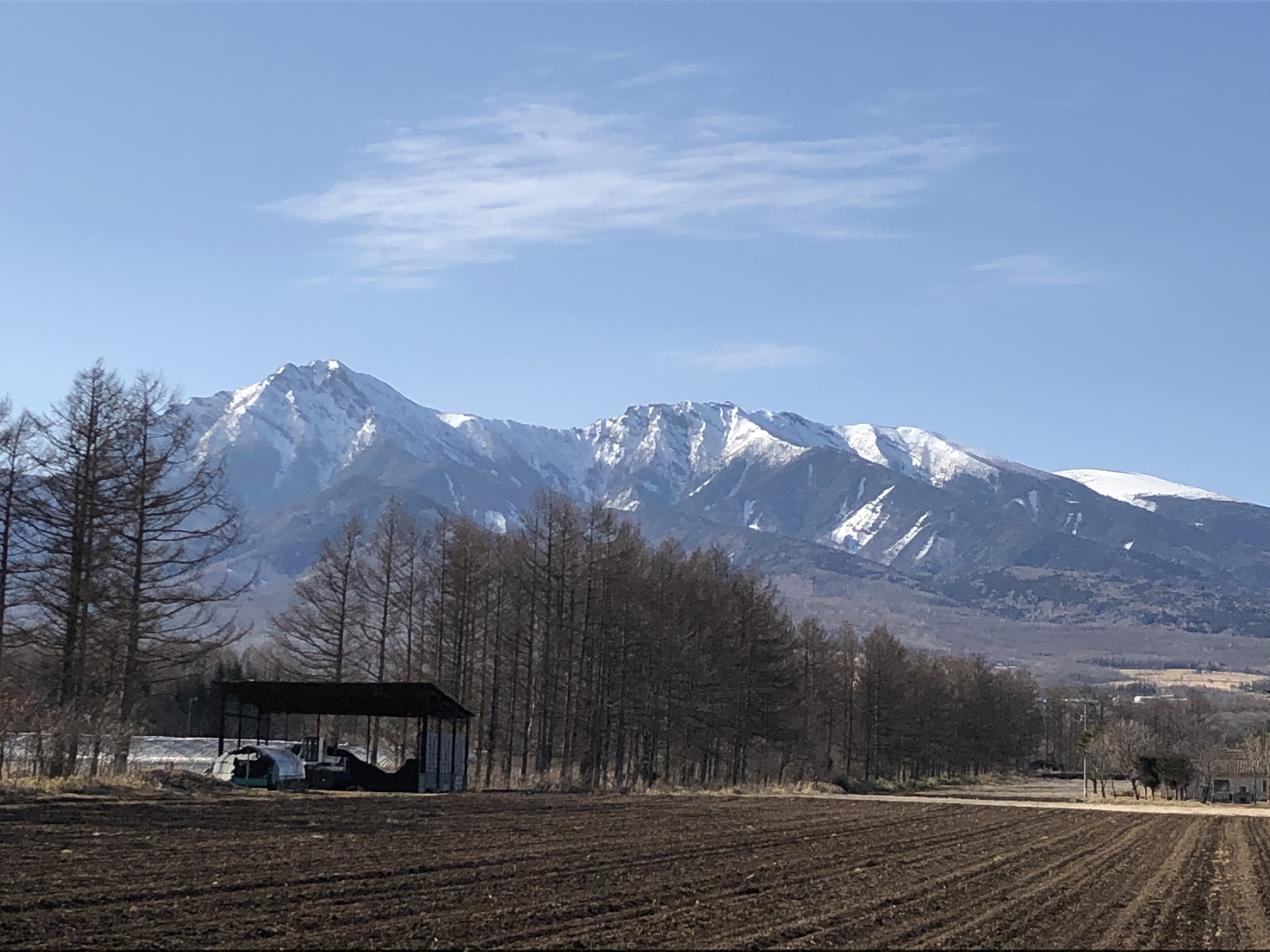
The Yatsugatake-Kawakami Forest of Mountain Science Center, University of Tsukuba, consists of three forest areas: the Yatsugatake Forest (80 ha) located in Minamimaki, Nagano Prefecture, Japan, the "Megumi-no-Mori" (14 ha) on the campus where the administration building is located, and the Kawakami Forest (189 ha) located in Kawakami, Nagano Prefecture, Japan. The Yatsugatake Forest is 1400-1450 m above sea level, and the Megumi-no-Mori is 1350 m above sea level. The forest is characterized by gentle slopes without remarkably topographic change and a mosaic of secondary deciduous broad-leaved forest dominated by oak (Quercus crispula) and Asian black birch (Betula davurica), and intermediate moor characterized by thatch herb (Moliniopsis japonica) and Japanese alder (Alnus japonica). Rare plants such as primrose (Primula sieboldii) and drosera (Drosera rotundifolia) are also found here. Black soil is distributed throughout the Yatsugatake Forest and Megumi-no-Mori. The Kawakami Forest is located between 1360 and 1700 m above sea level. 70% of the forest area is planted with Japanese larch (Larix kaempferi). The rest is a secondary deciduous broadleaf forest dominated by oak and birch. Some of the forests are dominated by a beech (Fagus crenata) stand, a natural Sawara cypress (Chamaecyparis pisifera) stand, and spruce (Picea alcokiana) stand. The forest is covered with brown and black soils, and the topography of the forest is more varied than that of the Yatsugatake Forest, including ridges and valleys. In the Kawakami Forest, an ecological survey of forest mammals is also being conducted. At these three forests, education and research are conducted on ecological surveys of trees, rare plants, and wildlife (population dynamics and conservation ecology), forest meteorological observations, and artificial forest management and operation.
-
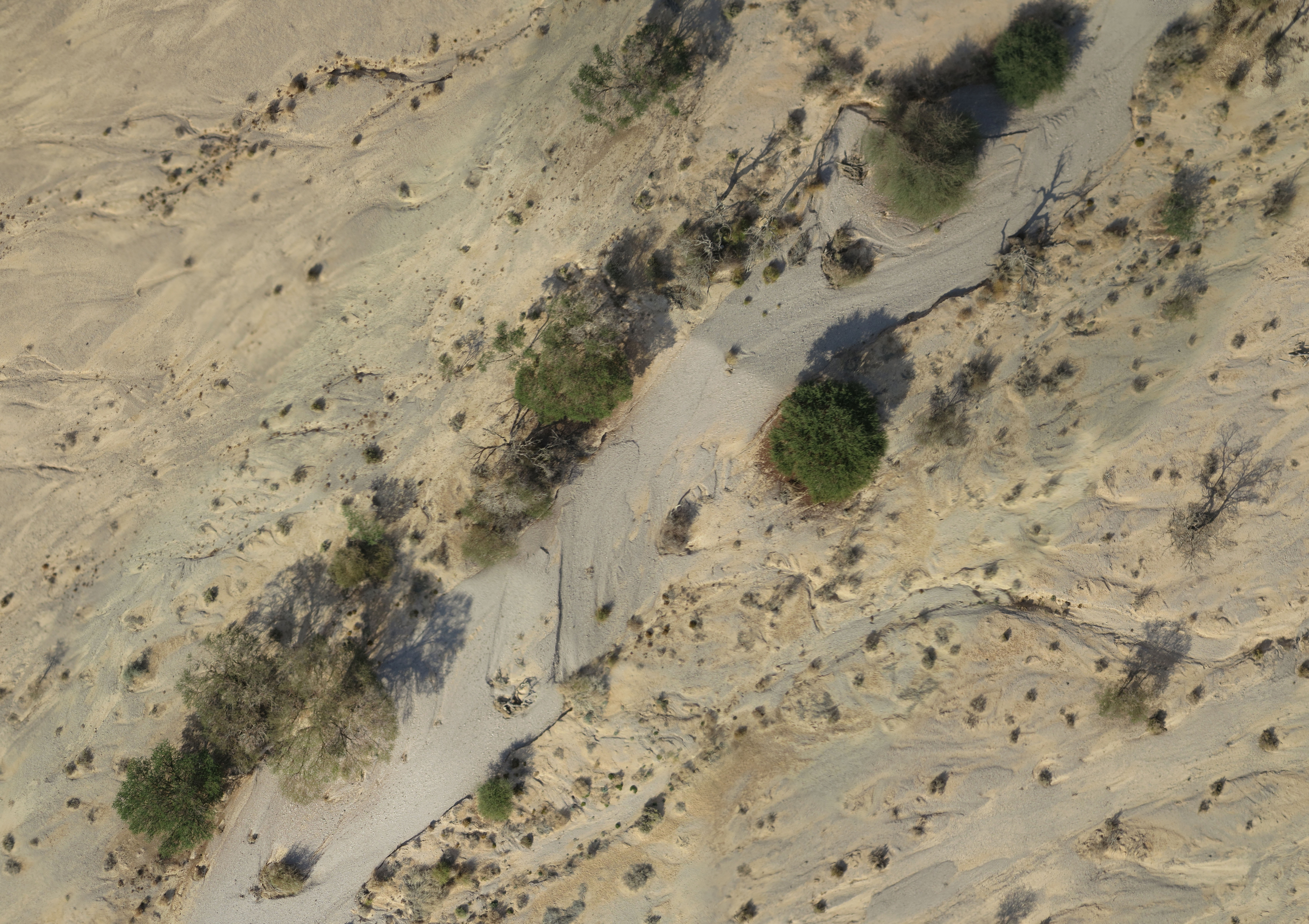
A small watershed that collects floods and run-off. The lowest place is home to a (relativity) dense Acacia savana. The slopes are completely bare. The wadi is covered with alluvium resting on a 6 m layer of red surface of late Pleistocene, which includes silt, clay and fine sand. Rainfall is 30 mm
-
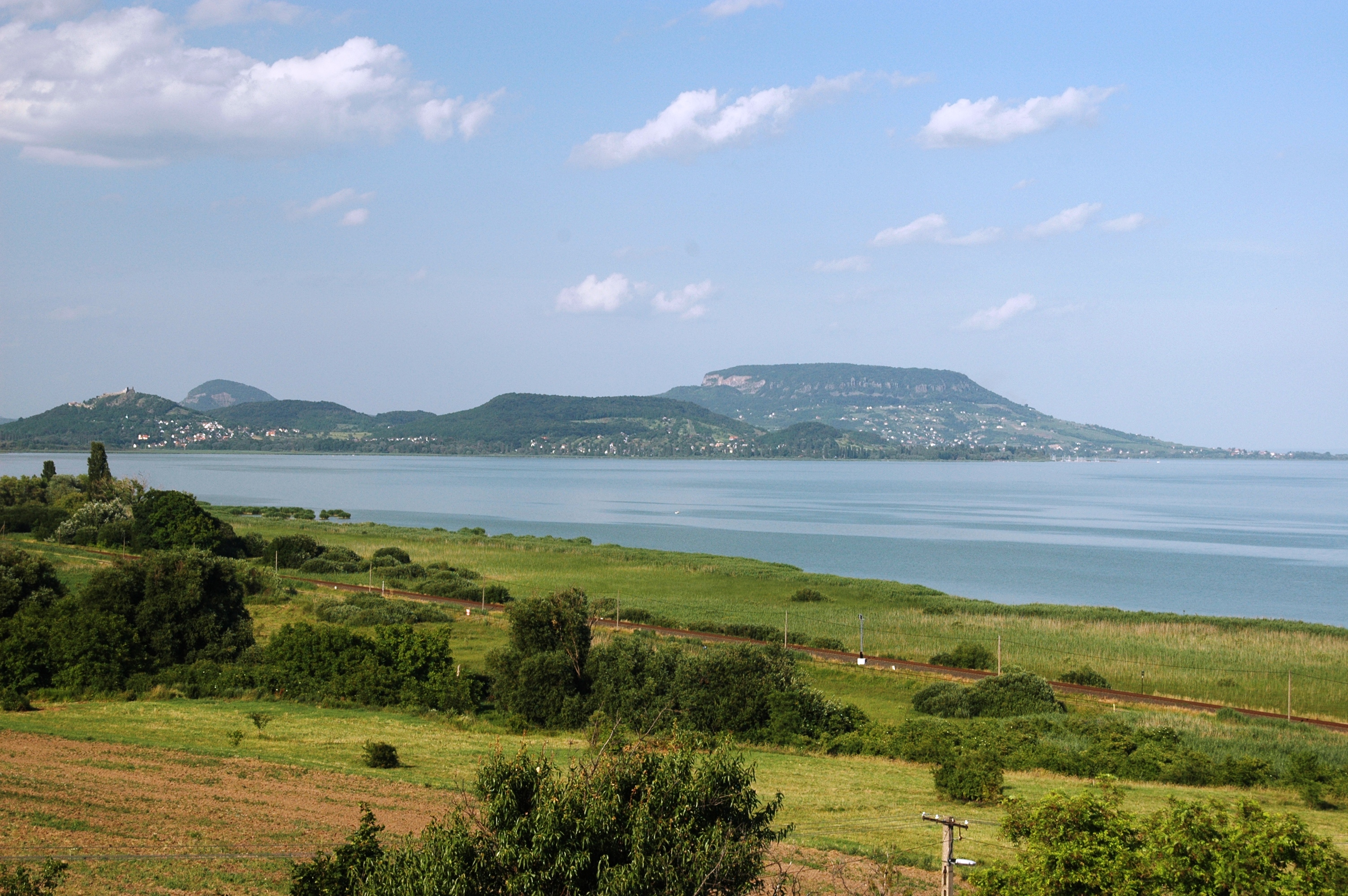
The Balaton LTSER Platform is dedicated to the study of the largest shallow lake in Eastern Europe, situated in the mid-western part of Hungary. The site, which is a popular holiday resort, consists of the lake and its watershed. Lake Balaton went through considerable changes in trophic state during the past decades. After a period of anthropogenic eutrophication from the late 1960s until the mid '90s, restoration measures aimed at reducing the nutrient load reaching the lake led to gradual reoligotrophication. The Balaton Limnological Institute of the MTA Centre for Ecological Research, situated on the Tihany peninsula, had an important role in improving the water quality and the ecological status of the lake by providing sound scientific knowledge for the decision-makers and the general public.
-
The Balaton LTSER Platform is dedicated to the study of the largest shallow lake in Eastern Europe, situated in the mid-western part of Hungary. The site, which is a popular holiday resort, consists of the lake and its watershed. Lake Balaton went through considerable changes in trophic state during the past decades. After a period of anthropogenic eutrophication from the late 1960s until the mid '90s, restoration measures aimed at reducing the nutrient load reaching the lake led to gradual reoligotrophication. The Balaton Limnological Research Institute, situated on the Tihany peninsula, had an important role in improving the water quality and the ecological status of the lake by providing sound scientific knowledge for the decision-makers and the general public.