
vegetation layer type
Type of resources
Available actions
Topics
Keywords
Contact for the resource
Provided by
Years
Formats
Representation types
-
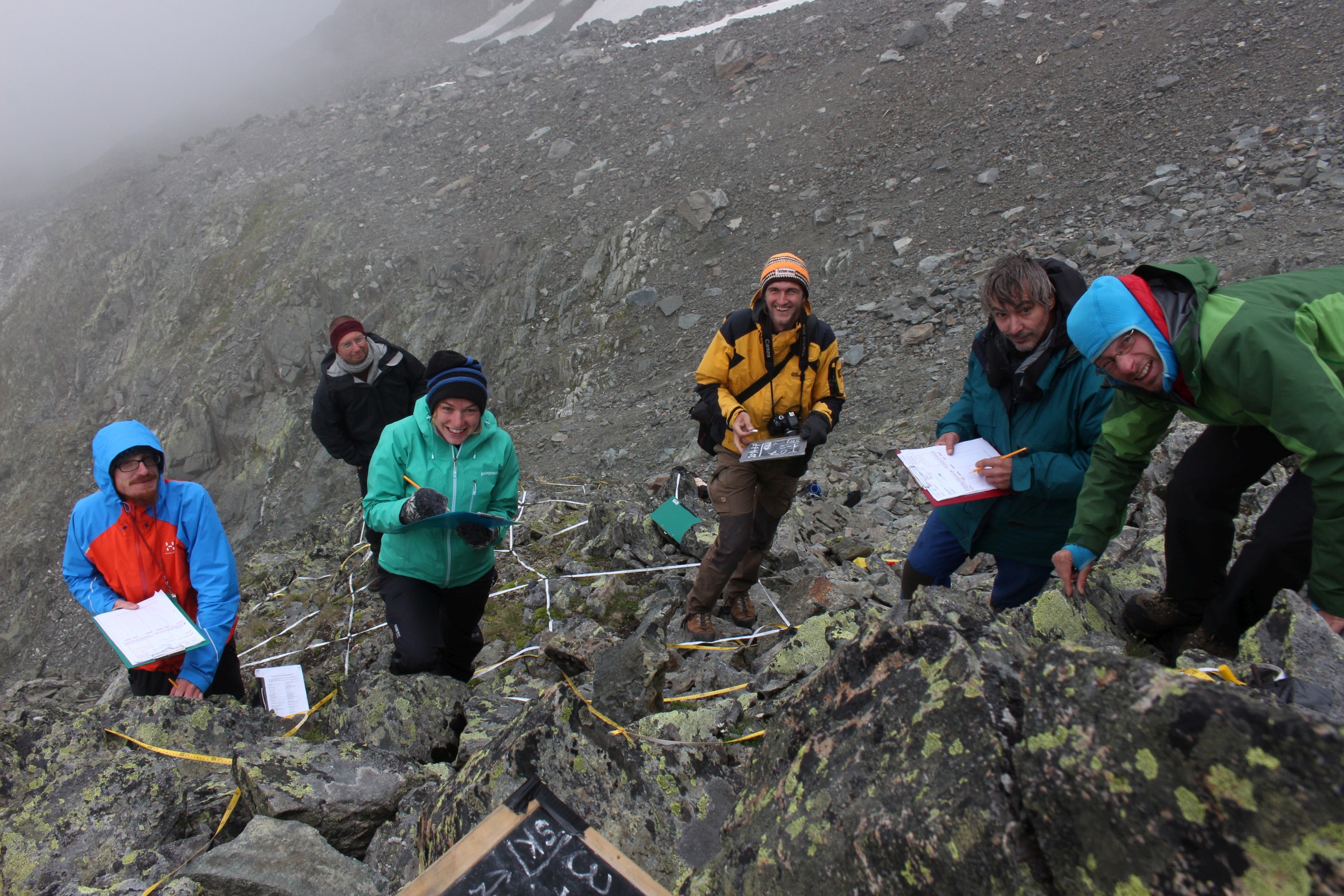
GLORIA Master Site.The 3497m-peak Mount Schrankogel belongs to the highest mountains of the Austrian Alps. Its northern and eastern side is surrounded by glaciers and glacier forelands. Its southern to western faces, however, are not interrupted by glacier Established in 1994 as the first comprehensive alpine to nival long-term monitoring site for high-altitude vegetation in the Alps, with ca. 1000 permanent plots of 1x1m arranged in transects of 30x3m or smaller ranging from 2900m to 3450m. Main purpose is ecological climate impact research. In 2001 it became a master site of the GLORIA network: e.g. method development and testing for species recording in 1x1m plots for GLORIA was partly conducted on Schrankogel. The first major resurvey of plots was made in 2004, the second resurvey was conducted in 2014. Besides long-term monitoring, several other research approaches were/are carried out at the Schrankogel site, such as species and vegetation modeling, vegetation mapping, phenological studies of alpine and nival plants, exclosure studies for grazing impacts at the lower altitudes of the site, soil studies, snow pattern studies (two permanent snow cameras), surface and soil-temperature measurements. In 2014, the the scope was extended to other organism groups such as soil microbiota, soil mesofauna (Oribatida and Collembola in particular), and surface-dwelling arthropods. Site setup, resurveys, or other activities were/are supported by: the Austrian Academy of Sciences through a national grant of the International Geosphere–Biosphere and the UNESCO MaB Programmes, by the Austrian and through the Institute of Mountain Research (IGF) of the Academy; by the Austrian Federal Ministry of Science and Research; the Austrian Federal Ministry of Agriculture, Forestry, Environment and Water Management; the Swiss MAVA Foundation; the Government of Tyrol; the project ALARM (Assessing Large-Scale Risks for Biodiversity with Tested Methods; No. GOCE-CT-2003-506675) in the FP-6 of the EU; the Austrian Climate Research Programme (ACRP: GZ B368633 ACRP6 - SCHRANKOGEL_20YEARS - KR13AC6K11076). For further details on Schrankogel_GLORIA see: http://www.gloria.ac.at/?a=42&b=56
-
Managed realignment in the brackish part of the Scheldt Estuary. Realised since April 2004. A formal sand stock was removed to allow tidal influence.
-
The UNESCO-biosphere reserve „Schorfheide-Chorin“ was established in 1990 over an area of approx. 1.300 square kilometres, and is one of the largest protected areas in Germany. Situated in the North-eastern part of Brandenburg, including a major part of the regions Uckermark and Barnim, it represents an impressive cultural landscape with more than 320 lakes, thousands of bogs and mires, extended forests, meadows and arable land. The so-called Schorfheide and the Chorin end moraine curve are two different landscapes, seen under a culture-historical aspect. The Schorfheide stretches along the west side of the motor way A 11 (Berlin-Poland). The Chorin end moraine curve extends East of the motor way. 75 communities and three small towns (Oderberg, Joachimsthal and Greiffenberg) with a total of 35.000 residents are situated in the protected area. The main concept behind the biosphere reserve is the consideration of human impact on the land. It is meant to encourage producers to work in a sustainable manner. Thus, 79 % of the area can be used by man. To protect natural resources, priority is given to organic agriculture and forestry and to an extensive-pasture economy. One of the most important supporting partners is the association “Kulturlandschaft Uckermark e.V.” (For promotion of the Cultural landscape Uckermark)
-
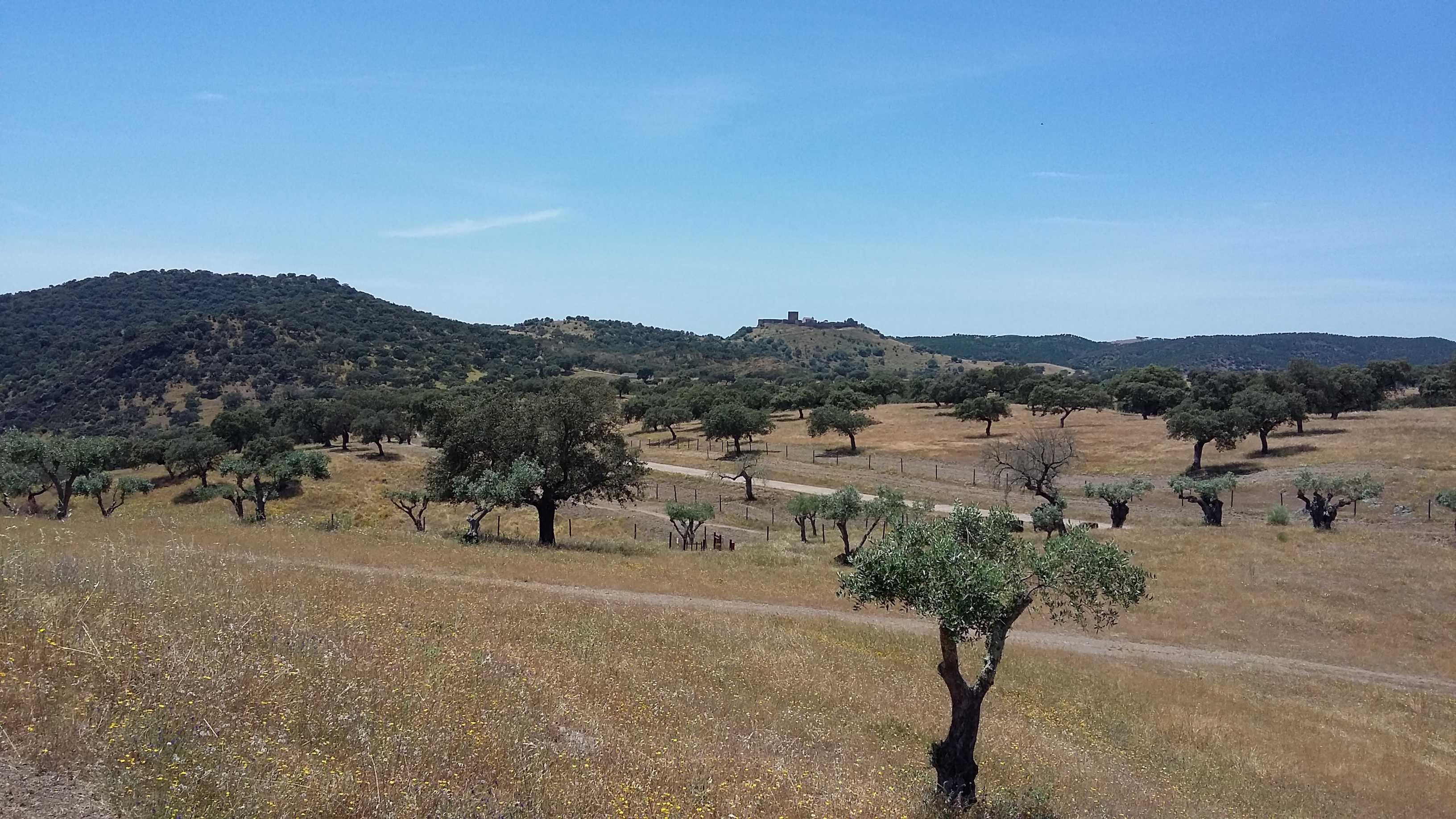
Herdade da Coitadinha is one of the six research and monitoring stations of LTER-Montado, an umbrella site located in the Alentejo province in south Portugal (southwestern Iberia). The "Montado" represents an unique agro-silvo-pastoral ecosystem (named "dehesa" in Spain) found only in the Mediterranean basin. These savannah-like landscapes are dominated by evergreen cork and/or holm oaks and were shaped over millennia of traditional land use practices. These multi-use forests are two-layered systems that combine, in a single space, forest harvesting, extensive livestock husbandry, pastures and/or cereal cultivation (the most evident economical revenues), with other traditional uses (hunting, beekeeping and mushroom picking). Recently, increasing awareness arose on their benefits as biodiversity reservoirs, recreation grounds, and other ecosystem services providers, but these non-productive functions are not equally perceived and valued by users, as they tend to be conflicting with productive ones. Herdade da Coitadinha is a state-run property, located in the bank tributary of the Guadiana River, in the Alentejo province, 200 km south-east Lisbon and 8 km from Barrancos (38º10’32’’N – 7º02’22’’W). Holm oak (Quercus ilex) is the dominant tree type. The site was bought by EDIA as a biodiversity offset to the building of the Alqueva dam, and so it is currently managed as a nature protection area (Parque Natureza de Noudar; www.parquenoudar.com). Management is made to promote biodiversity, while demonstrating the compatibility with land uses such as cattle grazing (0.5 livestock units/ha), winter fattening of black pigs, hunting (mostly wild boar), and eco-tourism. Holm oak woodlands are managed to promote natural regeneration, increase acorn production and maintaining tree health. In the foreseeable future the site will maintain its current land use, and so there are no imminent threats to the montado system. The main problem is the spread of oak tree diseases and mortality, which in the mid-term may impair the health of the ecosystem. Fire is a permanent threat, but there is thorough fire surveillance during the periods of high risk.
-
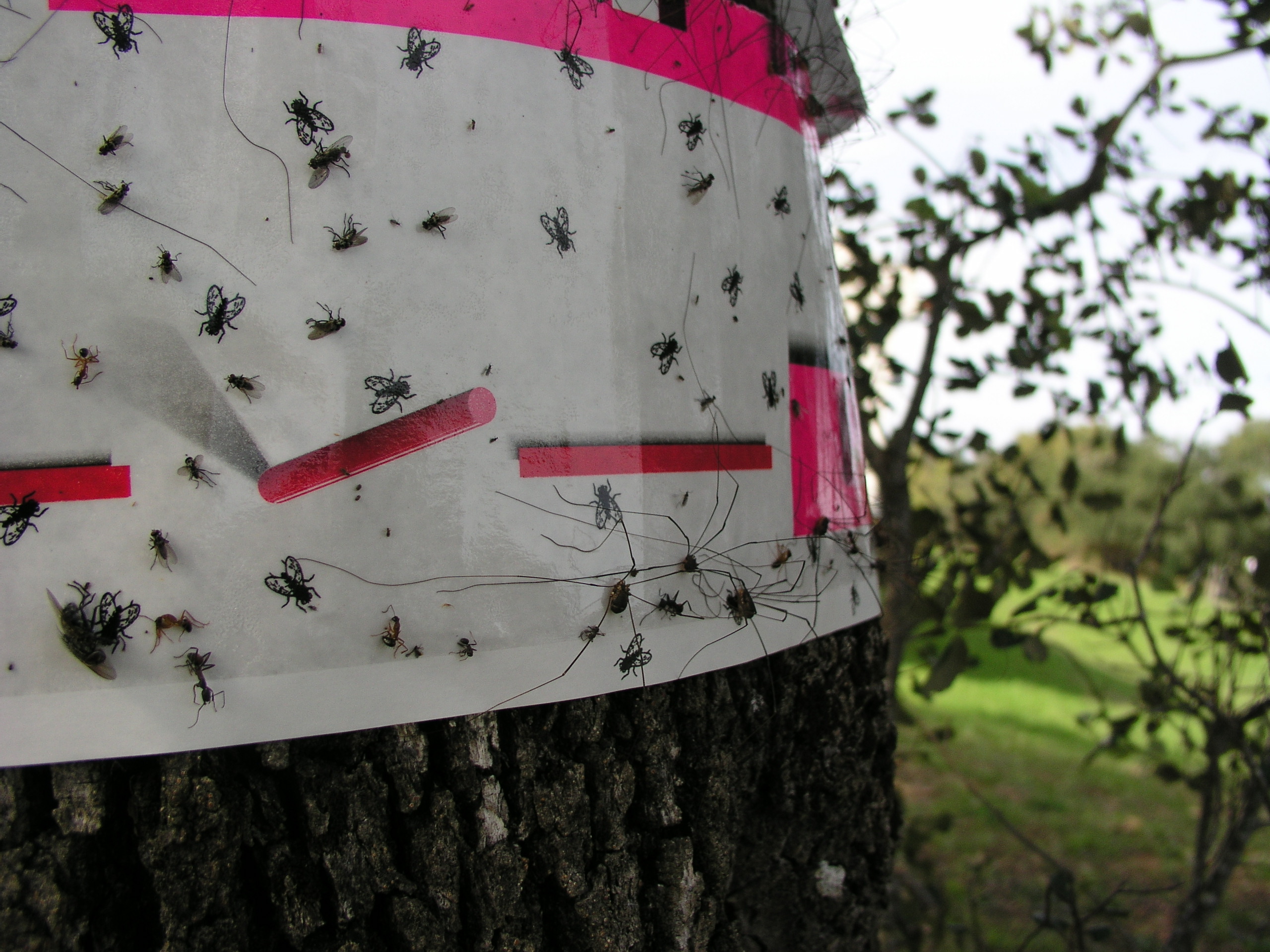
Herdade da Ribeira Abaixo is one of the six research and monitoring stations of LTER-Montado, an umbrella site located in the Alentejo province in south Portugal (southwestern Iberia). The "Montado" represents an unique agro-silvo-pastoral ecosystem (named "dehesa" in Spain) found only in the Mediterranean basin. These savannah-like landscapes are dominated by evergreen cork and/or holm oaks and were shaped over millennia of traditional land use practices. These multi-use forests are two-layered systems that combine, in a single space, forest harvesting, extensive livestock husbandry, pastures and/or cereal cultivation (the most evident economical revenues), with other traditional uses (hunting, beekeeping and mushroom picking). Recently, increasing awareness arose on their benefits as biodiversity reservoirs, recreation grounds, and other ecosystem services providers, but these non-productive functions are not equally perceived and valued by users, as they tend to be conflicting with productive ones. Herdade da Ribeira Abaixo is a state property, located on the left bank of Sado River, in Baixo Alentejo province, 100 km south of Lisbon and 7 km from Grândola (38.06° N – 8.35°W). Cork oak (Quercus suber) is the dominant tree type, with an average of 43 adult trees per hectare. Since 1990, there is a single main economic output - cork, which is harvested in a 9-year cycle, with an average production of 450 kg (dry weight) per hectare per year. Since 1998, cattle herding was abandoned and substituted by sheep, with an average stocking of 0.1 animals per hectare. Recently (2003 and 2004) the property was subject to management actions aiming to foster the natural regeneration of cork oaks; cork oak saplings were also planted in a recently burned area. The shrub layer is cleared heterogeneously across the property every 4-5 years. A serious tree decline is observed, especially in the high plateaus. Natural regeneration is not uniform, being concentrated in north facing slopes with a dense shrub layer. Ovine grazing, though of low intensity, is partly responsible for lack of regeneration. Holm oaks are rare in the property, but are increasing. Parts of the property were burnt repeatedly (the more recent fires happened in 2001 and 2003); however some of the north facing slopes maintain a luxurious mixed oak forest and were not burnt in the last 30 years. In these areas, shrub cover and height are increasing.
-
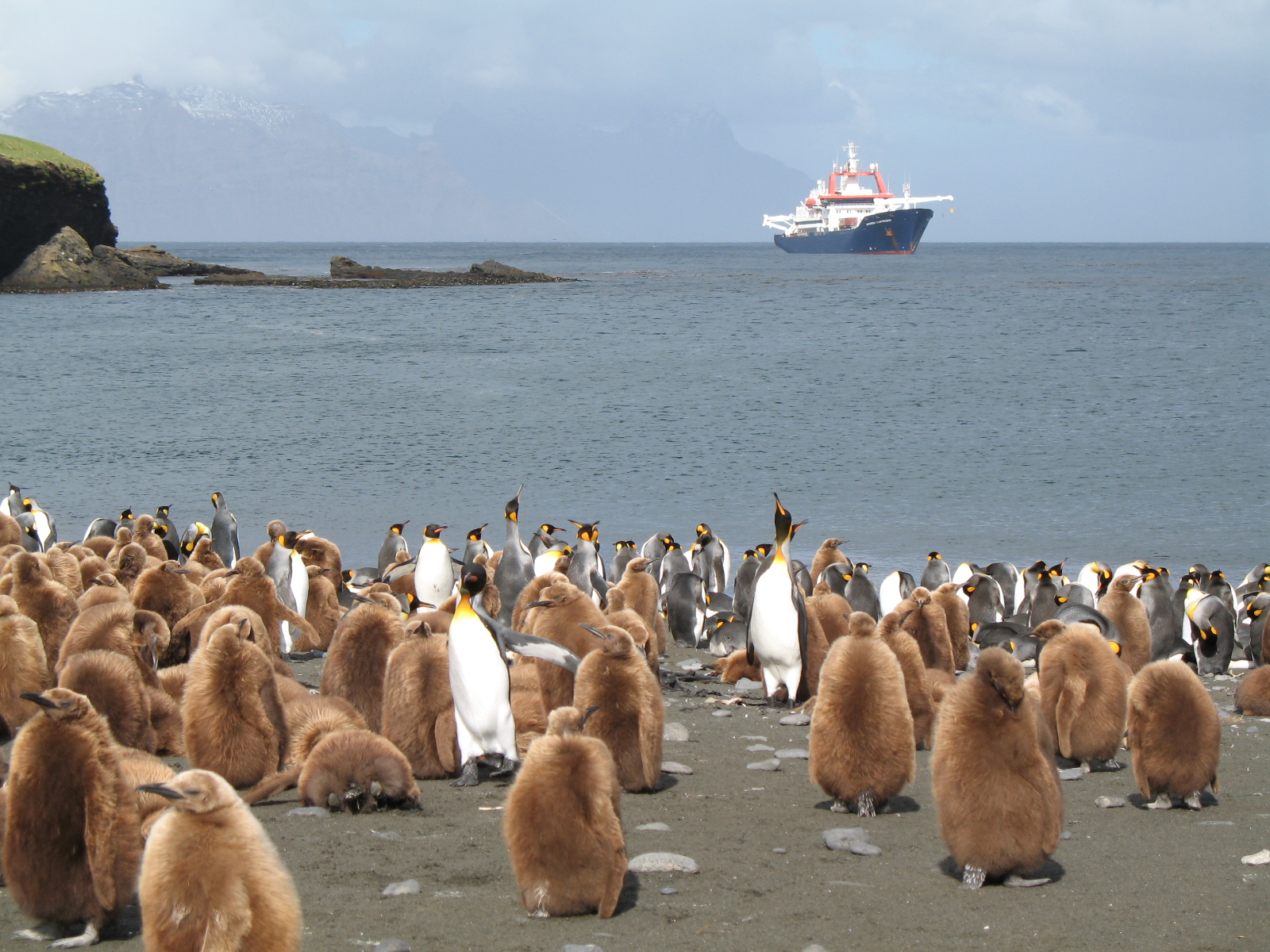
The LTSER Zone Antarctique belongs to LTER-France network and is located in Antarctica (Adelie Land), French sub-Antarctic Islands (Crozet archipelago, Kerguelen Islands, Saint-Paul et Amsterdam Islands) and southern ocean. General information below concerns Kerguelen Islands. The ZATA measures the impacts of climate change and human activities on antarctic and sub-antarctic ecosystems.
-
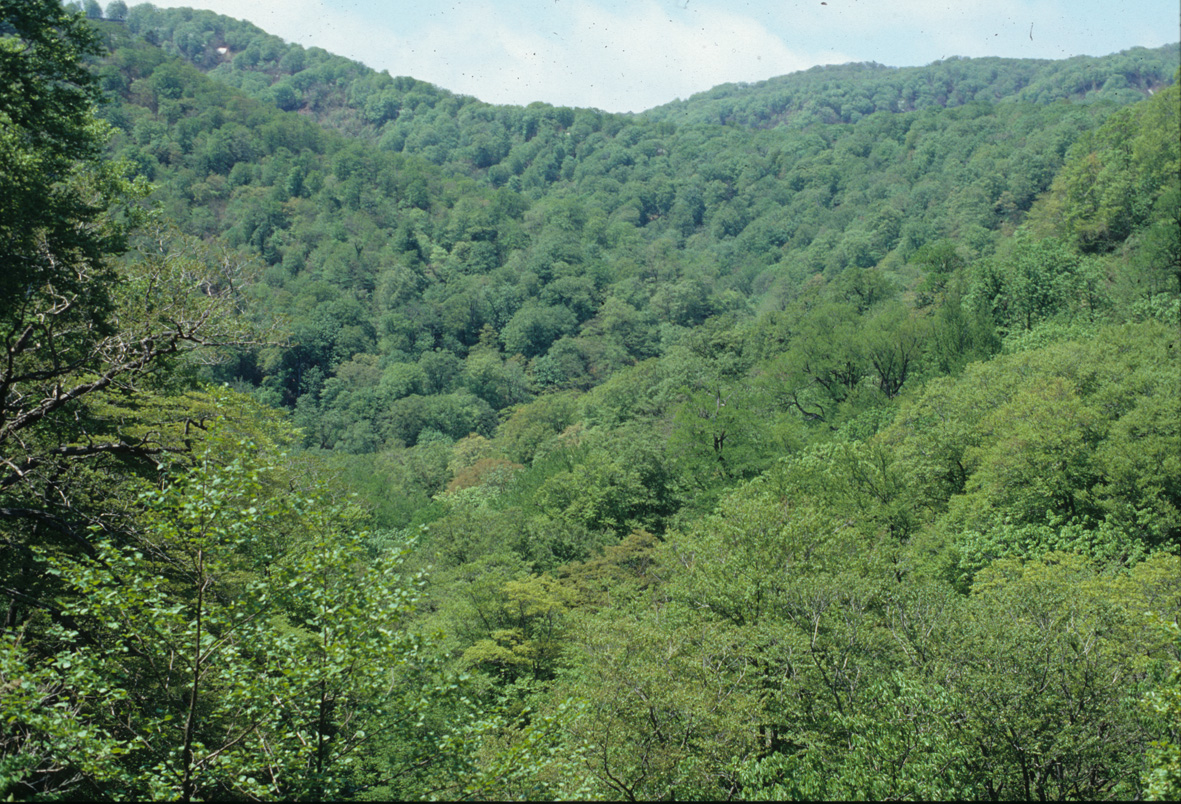
A 4.71-ha site in a beech-dominated landscape, with montane creek stand (2.48 ha) as well as adjacent terrace stand (1.08 ha) and steep slope connecting between them. Deciduous species-mixed stand, without evidence for logging, under temperate climate with heavy snow (max. depth: 1.8 m) in winter. Characterized by canopy breakage and fluvial transport of sedimentation, as well as bumpy ground surface with a mixture of boulders and deep soils. As a result, a diverse array of tree species coexist, with rich ground layer vegetation, in the riparian stand, whereas beech is the dominant species in the terrace stand. Intensive monitoring for seedfall and tree community dynamics since 1990's.
-
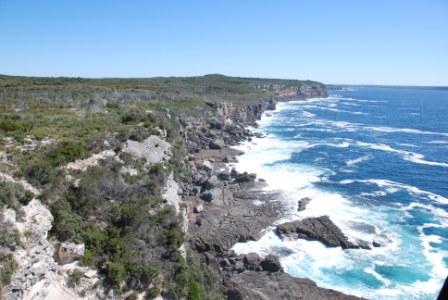
The Jervis Bay Booderee National Park Plot Network is located in Jervis Bay Territory, NSW, Australia and its research infrastructure are structure plots (1 m × 1 m, 20 m × 20 m) nested within 1-ha sites. Temporal visits are as follows: * Vegetation - 3 years • Birds - Annual • Arboreal spotlighting - 2 years • Reptiles - Annual • Terrestrial mammals - 2 years The Jervis Bay Booderee National Park Plot Network was a member of Long Term Ecological Research Network (LTERN), Australia, a facility of the Australian Government's Terrestrial Ecosystem Research Network (TERN).
-
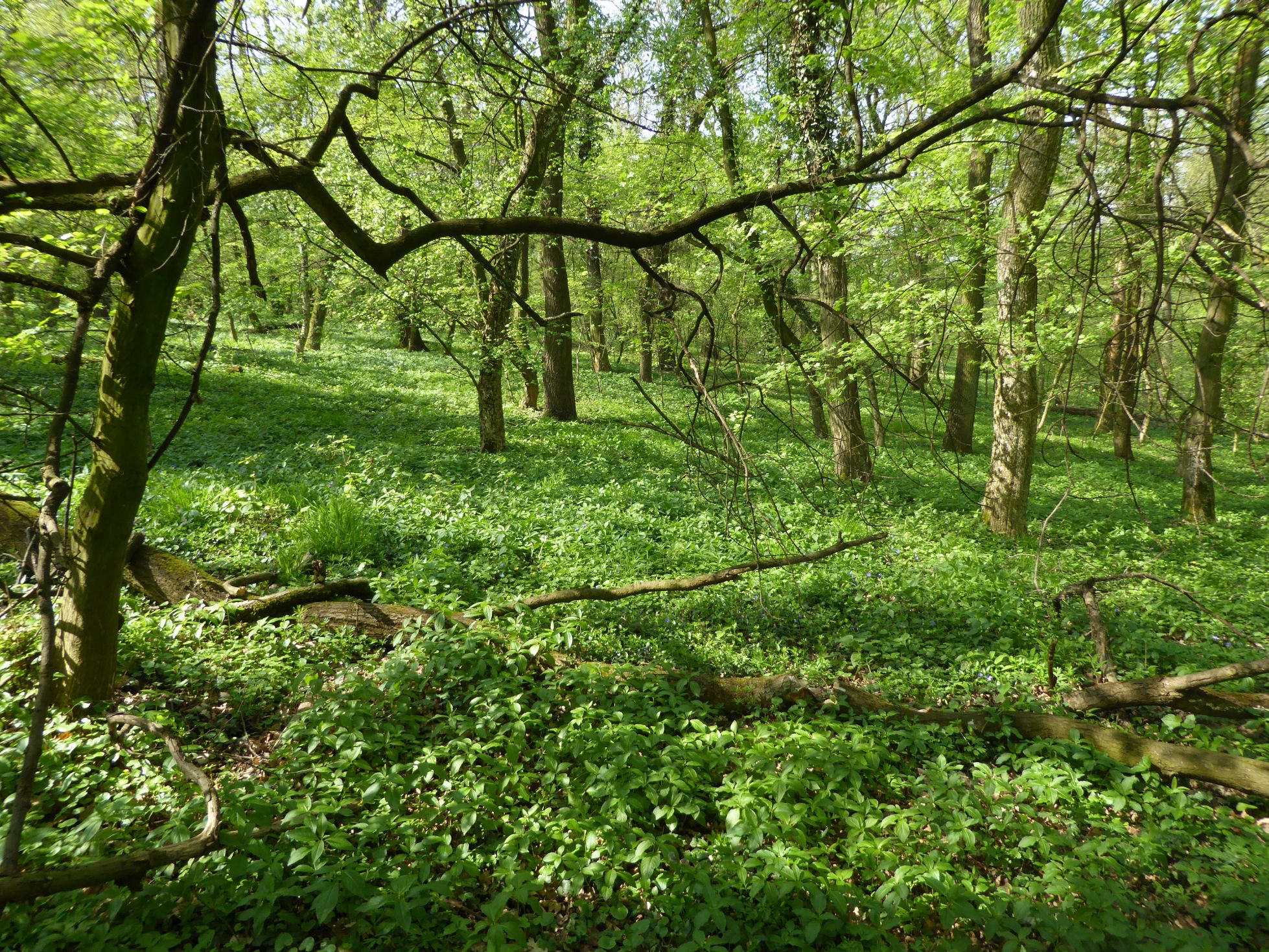
The Bab forest (66 ha) was selected as an example of a lowland deciduous broad-leaved forest on loess for ecosystem research in the International Biological programme (IBP) in 1967. More than 60 researchers performed a comprehensive ecosystem research at the site within IBP and MaB programmes in 1967-1975. This period finished by production of syntheses in micro-meteorology and micro-climate, soils, soil microbiology, ecophysiological processes of plants (photosynthesis, water relations, mineral nutrition), primary productivity, nutrient cycles, water circulation, and secondary productivity. The ecosphisiological studies continued in 1975-1980, later the research was focused to plant population biology and alien plants invasions. The ecosystem research was re-established in 2007. The inventory of shrub and trees, herb vegetation, selected animal groups allowed identification of changes during 40 years caused probably by the climate changes and anthropogenic disturbances. The differences in decomposition of selected native and invasive plant species were assessed. The biomonitoring of the air pollution was done using mosses as indicator organisms. Now the research is focused to dynamics of forest ecosystem (vegetation, selected invertebrate groups, small mammals) and impact of forestry management (clear-cuts) to structure and dynamics of forest ecosystem. The multisite trampling experiment (ALTER-Net) and tea decomposition experiment (ILTER) were/are performed at the site.
-
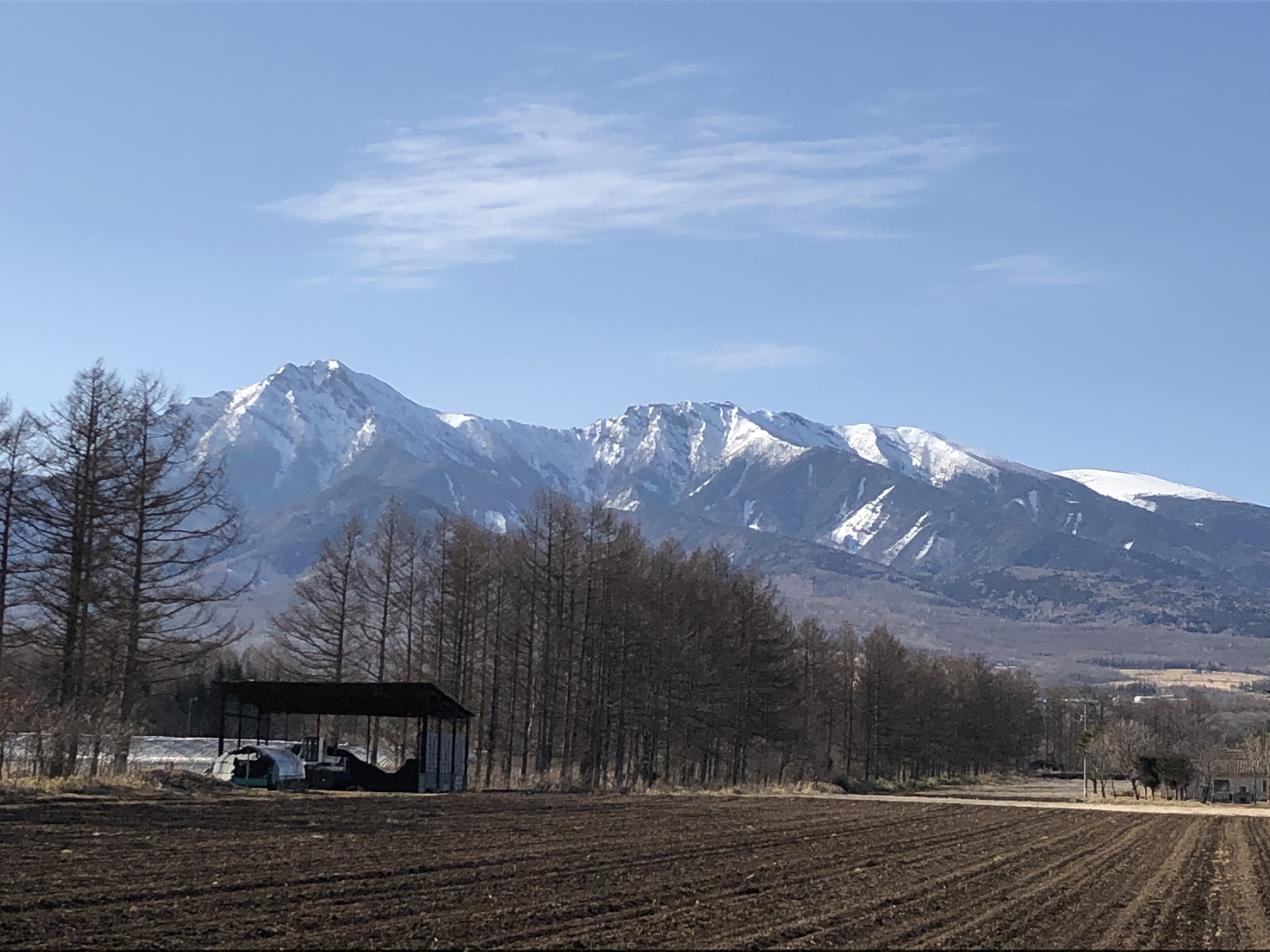
The Yatsugatake-Kawakami Forest of Mountain Science Center, University of Tsukuba, consists of three forest areas: the Yatsugatake Forest (80 ha) located in Minamimaki, Nagano Prefecture, Japan, the "Megumi-no-Mori" (14 ha) on the campus where the administration building is located, and the Kawakami Forest (189 ha) located in Kawakami, Nagano Prefecture, Japan. The Yatsugatake Forest is 1400-1450 m above sea level, and the Megumi-no-Mori is 1350 m above sea level. The forest is characterized by gentle slopes without remarkably topographic change and a mosaic of secondary deciduous broad-leaved forest dominated by oak (Quercus crispula) and Asian black birch (Betula davurica), and intermediate moor characterized by thatch herb (Moliniopsis japonica) and Japanese alder (Alnus japonica). Rare plants such as primrose (Primula sieboldii) and drosera (Drosera rotundifolia) are also found here. Black soil is distributed throughout the Yatsugatake Forest and Megumi-no-Mori. The Kawakami Forest is located between 1360 and 1700 m above sea level. 70% of the forest area is planted with Japanese larch (Larix kaempferi). The rest is a secondary deciduous broadleaf forest dominated by oak and birch. Some of the forests are dominated by a beech (Fagus crenata) stand, a natural Sawara cypress (Chamaecyparis pisifera) stand, and spruce (Picea alcokiana) stand. The forest is covered with brown and black soils, and the topography of the forest is more varied than that of the Yatsugatake Forest, including ridges and valleys. In the Kawakami Forest, an ecological survey of forest mammals is also being conducted. At these three forests, education and research are conducted on ecological surveys of trees, rare plants, and wildlife (population dynamics and conservation ecology), forest meteorological observations, and artificial forest management and operation.