
land cover
Type of resources
Available actions
Topics
Keywords
Contact for the resource
Provided by
Years
Formats
Representation types
-
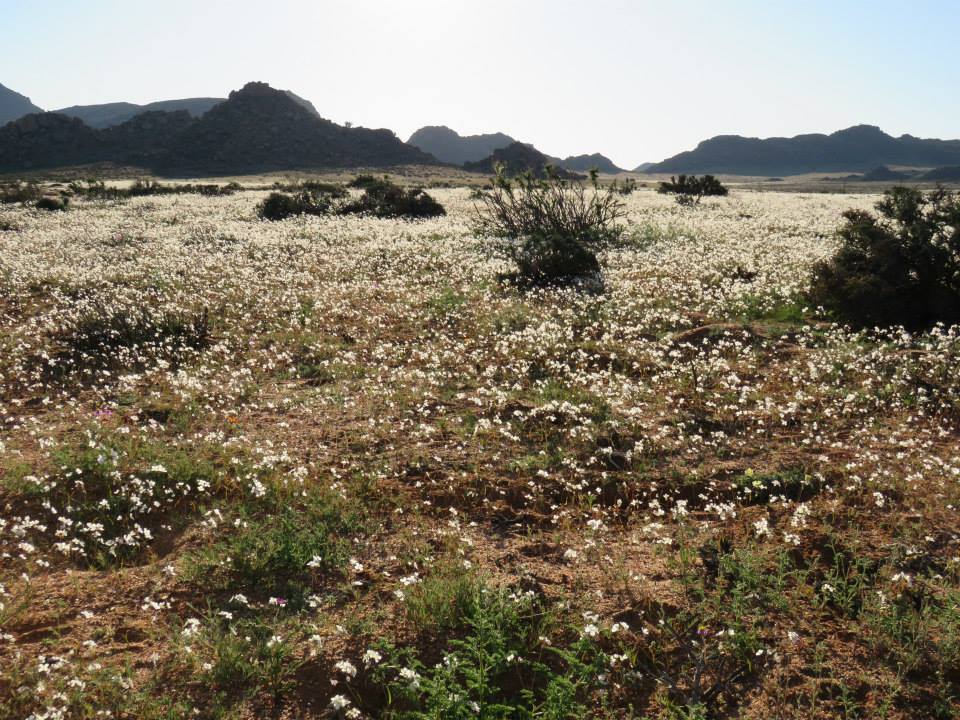
Goegap Nature Reserve is a protected area situated in the Succulent Karoo Biome of the Northern Cape province
-
None
-
Land uses and vegetation cover, based on photo interpretation of aerial photographs from 2007.
-
Land uses and vegetation cover, based on photo interpretation of aerial photographs from 1956.
-
Land cover and habitats map for the LTER Zöbelboden catchment
-
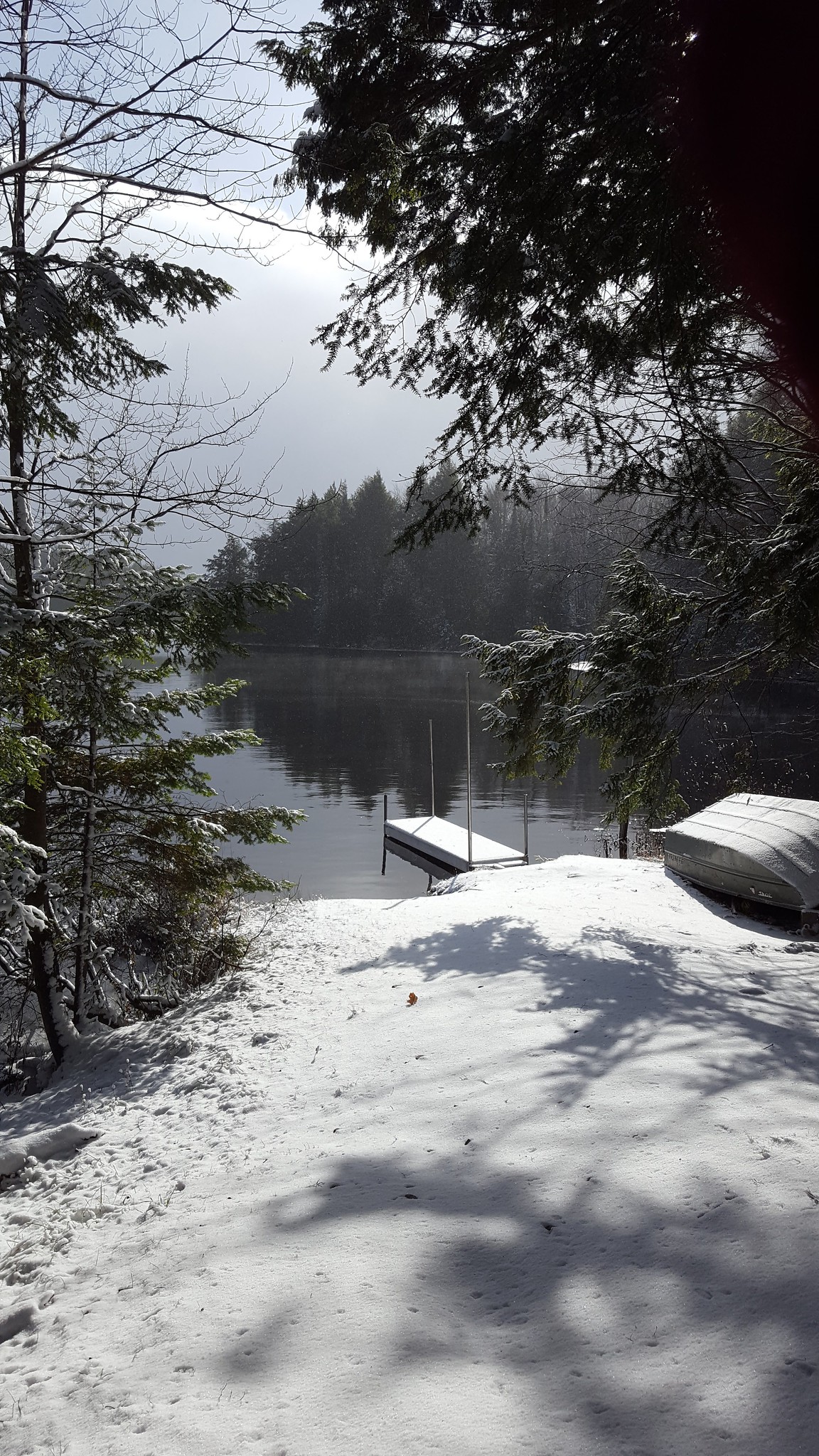
Crampton Lake is the core aquatic site in NEON's Great Lakes Domain 05 located on property of the University of Notre Dame Environmental Research Station (UNDERC), which serves as NEONs core terrestrial site in the Great Lakes Domain. Most of Crampton Lake is in Vilas County, Wisconsin, but a small portion of the northern shore of the lake is across the border, in Gogebic County, Michigan. UNDERC is approximately 7500 acres of mixed and hardwood forests as well as open water and wetlands. Crampton Lake Crampton Lake is approximately 26 hectares surface area. The max depth is about 17.5 meters and average depth around 5 m. Structurally, there are two significant bays and one island. There are two deep holes which account for the max depth while much of the bottom is 1-10 m deep. This site has one meteorological station located in the riparian area and one meteorological station above water on a buoy. The met stations are outfitted with the a subset of the same sensors used at terrestrial sites. Measurements include wind speed and direction, air temperature, barometric pressure, relative humidity, shortwave radiation, and PAR. Remote sensing surveys of this site collect lidar, spectrometer and high resolution RGB camera data. This site has one buoy-mounted sensor station and an inlet station and outlet station. At the buoy, the automated instrument measurements are: PAR at water surface, PAR below water surface, temperature at a specific depth in surface water, water quality (specific conductivity, chlorophyll a, dissolved oxygen content, pH turbidity, and fDOM), and nitrate. At the inlet and outlet stations, the measurements are: PAR below water surface, elevation of surface water, and temperature in surface water. Eight groundwater wells throughout the site collect specific conductivity, water tempertaure, and elevation of groundwater.
-
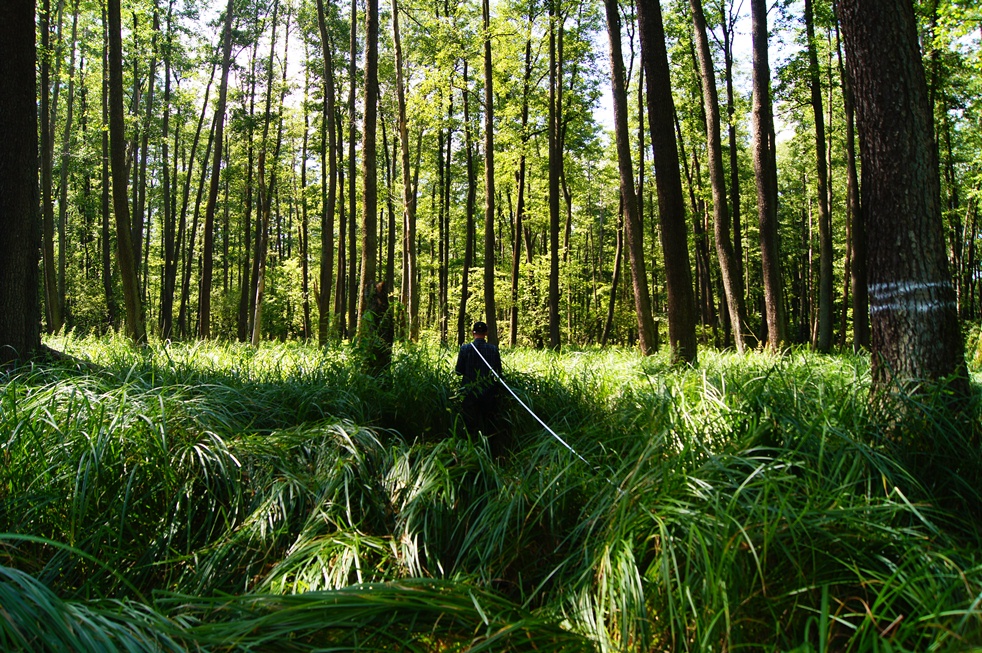
Kampinos National Park (Polish: Kampinoski Park Narodowy) is a National Park in central Poland, in Masovian Voivodeship, on the north-west outskirts of Warsaw. The park was created in 1959. It covers the ancient Kampinos Forest (Puszcza Kampinoska), and in January 2000 the area was added to UNESCO's list of biosphere reserves. The Park is now slightly smaller than originally, covering 385.44 square kilometres (148.82 sq mi), of which 46.38 km? is strictly protected. The protective zone around the Park covers 377.56 km?. Forests account for around 70% of the park's area, and most the common tree is the pine. Kampinoski National Park is located at the biggest river junction in Poland - here valleys of Vistula, Bug, Narew, Wkra and Bzura meet together. There are no lakes, the biggest river of the Park is the Łasica, a tributary to the Bzura, which acts as a water canal. Park?s flora is rich with around 1245 species of plants, of which 69 are protected. Park's landscape is a mix of sand dunes and swamp lands with pine trees growing on sand and meadows on swamps.
-
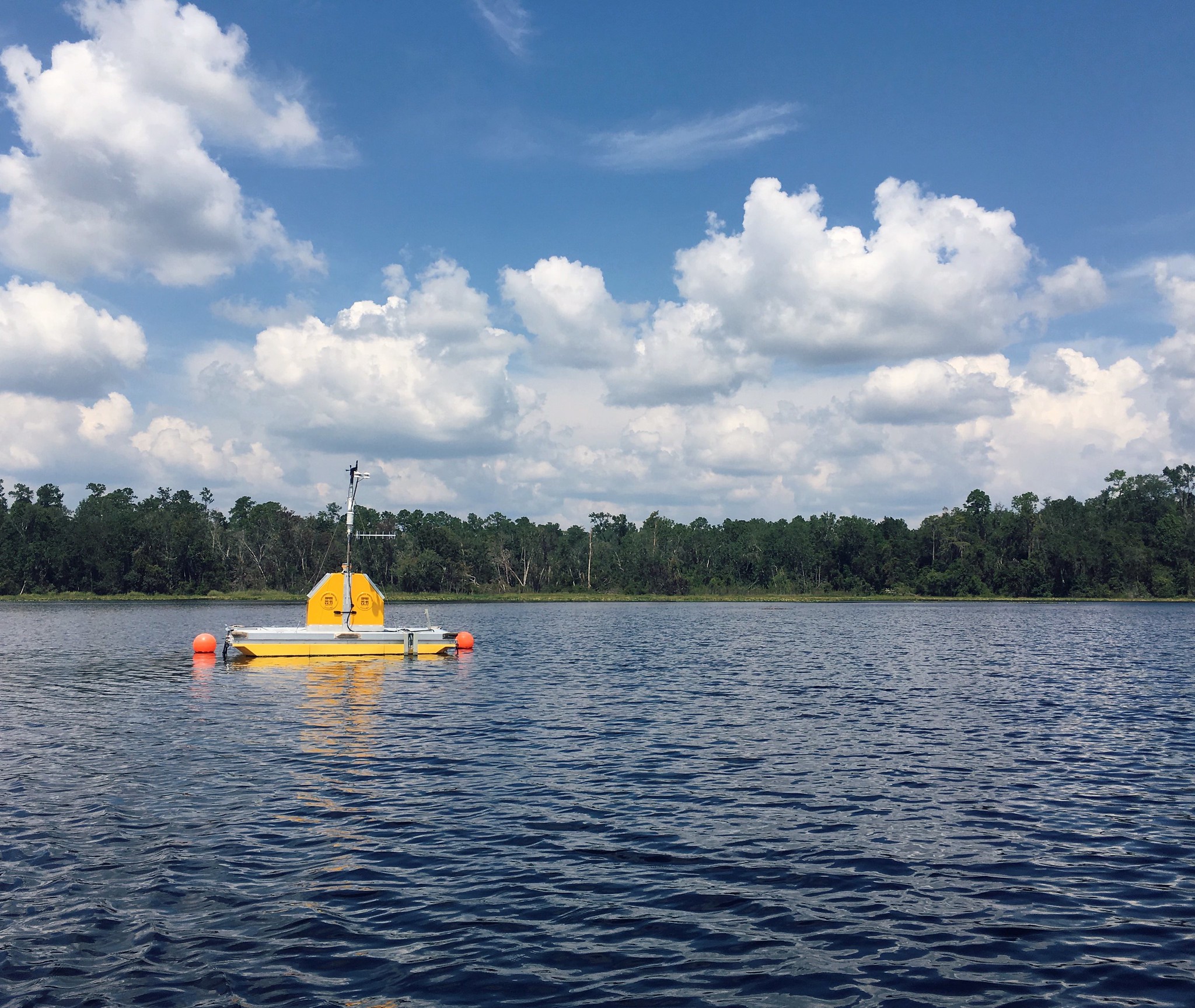
Suggs Lake a core aquatic is situated within Ordway-Swisher Biological Station (OSBS) in Putman County and classified as a Marsh lake and Baygall as a function of the major plant communities that surround it. Suggs Lake is an isothermal, mesotrophic lake 0.73 km2 in area and situated at an altitude of 29 m. It has a maximum depth of 5.7 m and a mean depth of 2.5 m. The lake is a seepage lake, with the majority of lakes in Florida being underlain by the Floridan Aquifer dominated by a limestone and dolomite geology. Lake Suggs has a dense population of salamanders, with other common species of amphibians including greater siren (Siren lacertina), lesser siren (Siren intermedia), two-toed amphiuma (Amphiuma means), one-toed amphiuma (Amphiuma pholeter), narrow-striped dwarf siren (Pseudobranchus axanthus), the broad-striped dwarf siren (Pseudobranchus striatus) and the pig frog (Rana grylio).This site has one meteorological station located in the riparian area and one meteorological station above water on a buoy. The met stations are outfitted with the a subset of the same sensors used at terrestrial sites. Measurements include wind speed and direction, air temperature, barometric pressure, relative humidity, shortwave radiation, and PAR. Eight groundwater wells throughout the site collect specific conductivity, water tempertaure, and elevation of groundwater. This site has one buoy-mounted sensor station and an inlet station and outlet station. Total data products planned for this site: 75
-
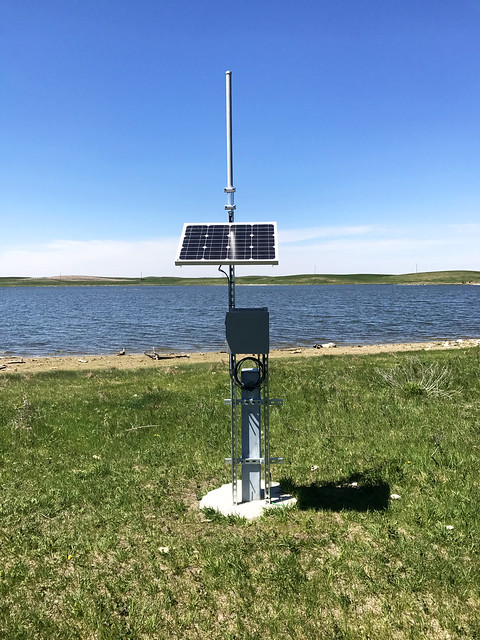
Pringle Creek is a core aquatic field site within NEON's Domain 7: Southern Plains. Pringle Creek is a low gradient, small wadeable stream in Wise County, TX, that drains a watershed of 18.1 km2 of mixed oak forest, savanna, and riparian woodland with portions protected by the Caddo-LBJ National Grassland. It is located 12 miles west of CLBJ, a terrestrial field site. This site has one meteorological station located in the riparian area and one meteorological station above water on a buoy. The met stations are outfitted with the a subset of the same sensors used at terrestrial sites. Measurements include wind speed and direction, air temperature, barometric pressure, relative humidity, shortwave radiation, and PAR.Remote sensing surveys of this site collect lidar, spectrometer and high resolution RGB camera data. Seven groundwater wells throughout the site collect specific conductivity, water tempertaure, and elevation of groundwater. This site has one buoy-mounted sensor station and an inlet station and outlet station. At the buoy, the automated instrument measurements are: PAR at water surface, PAR below water surface, temperature at a specific depth in surface water, water quality (specific conductivity, chlorophyll a, dissolved oxygen content, pH turbidity, and fDOM), and nitrate. At the inlet and outlet stations, the measurements are: PAR below water surface, elevation of surface water, and temperature in surface water. Field ecologists collect the following types of observational data at this site: aquatic organisms (Aquatic Microbes (surface water),macroinvertebrates microalgae, plants and macroalgae, zooplankton. Biogeochemical data on plants,sediment water and particulates.As well as physical aquatic data on bathymetric maps, stage,secchi depth and depth profiles, and riparian assessment. Field ecologists collect the following types of observational data at this site: aquatic organisms (Aquatic Microbes (surface water), macroinvertebratesmicroalgae, plants and macroalgae, zooplankton. Biogeochemical data on plants,sediment water and particulates. As well as physical aquatic data on bathymetric maps, stage,secchi depth and depth profiles, and riparian assessment.Total data products planned for this site:
-
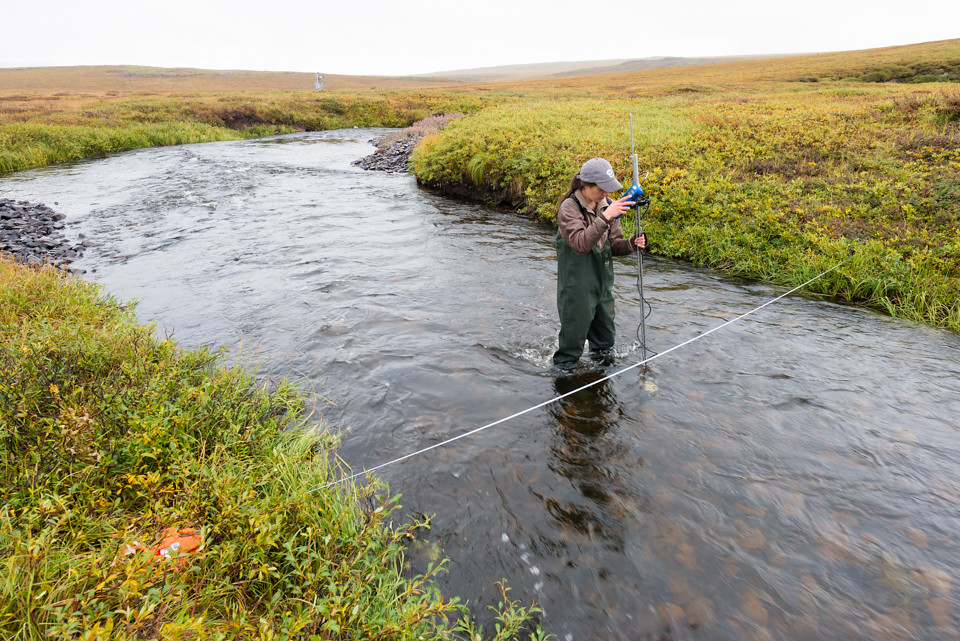
Oksrukuyik Creek is a wadeable stream located a short drive from the Toolik Field Station, an environmental science facility operated by the University of Alaska, Fairbanks. Teams working out of Toolik have studied the biological and biogeochemical attributes of Oksrukuyik Creek for decades. NEON data will contribute to these studies to help better understand tundra streams, which are rapidly changing along with the Arctic climate. Remote sensing surveys of this site collect lidar, spectrometer and high resolution RGB camera data. This site has one meteorological station located in the riparian area and one meteorological station above water on a buoy. The met stations are outfitted with the a subset of the same sensors used at terrestrial sites. Measurements include wind speed and direction, air temperature, barometric pressure, relative humidity, shortwave radiation, and PAR. This site has one buoy-mounted sensor station and an inlet station and outlet station. At the buoy, the automated instrument measurements are: PAR at water surface, PAR below water surface, temperature at a specific depth in surface water, water quality (specific conductivity, chlorophyll a, dissolved oxygen content, pH turbidity, and fDOM), and nitrate. At the inlet and outlet stations, the measurements are: PAR below water surface, elevation of surface water, and temperature in surface water. Eight groundwater wells throughout the site collect specific conductivity, water tempertaure, and elevation of groundwater. Field ecologists collect the following types of observational data at this site: aquatic organisms (Aquatic Microbes (surface water),macroinvertebrates microalgae, plants and macroalgae, zooplankton. Biogeochemical data on plants,sediment water and particulates.As well as physical aquatic data on bathymetric maps, stage,secchi depth and depth profiles, and riparian assessment.